🌿 Field Survey and Pomological Assessment in the BioClima Case Study Vysočina Region
Field survey and sample collection in the BioClima Vysočina Case Study, focusing on fruit tree diversity, vegetation monitoring, and field documentation
 Jiri Sedlak, Iveta Husáková - RESEARCH AND BREEDING FRUIT INSTITUTE HOLOVOUSY s.r.o. (VSUO)
•
Sept. 8, 2026
Jiri Sedlak, Iveta Husáková - RESEARCH AND BREEDING FRUIT INSTITUTE HOLOVOUSY s.r.o. (VSUO)
•
Sept. 8, 2026
Cover image: The pond’s littoral zone
As part of the ongoing monitoring activities within the BioClima Case Study in the Vysočina region, a field survey and sample collection campaign was carried out at selected locations (24. 8. 2026). The activities focused on the assessment of fruit tree diversity and condition, vegetation monitoring in an anthropogenically influenced pond littoral zone, and the acquisition of detailed field documentation for subsequent evaluation.
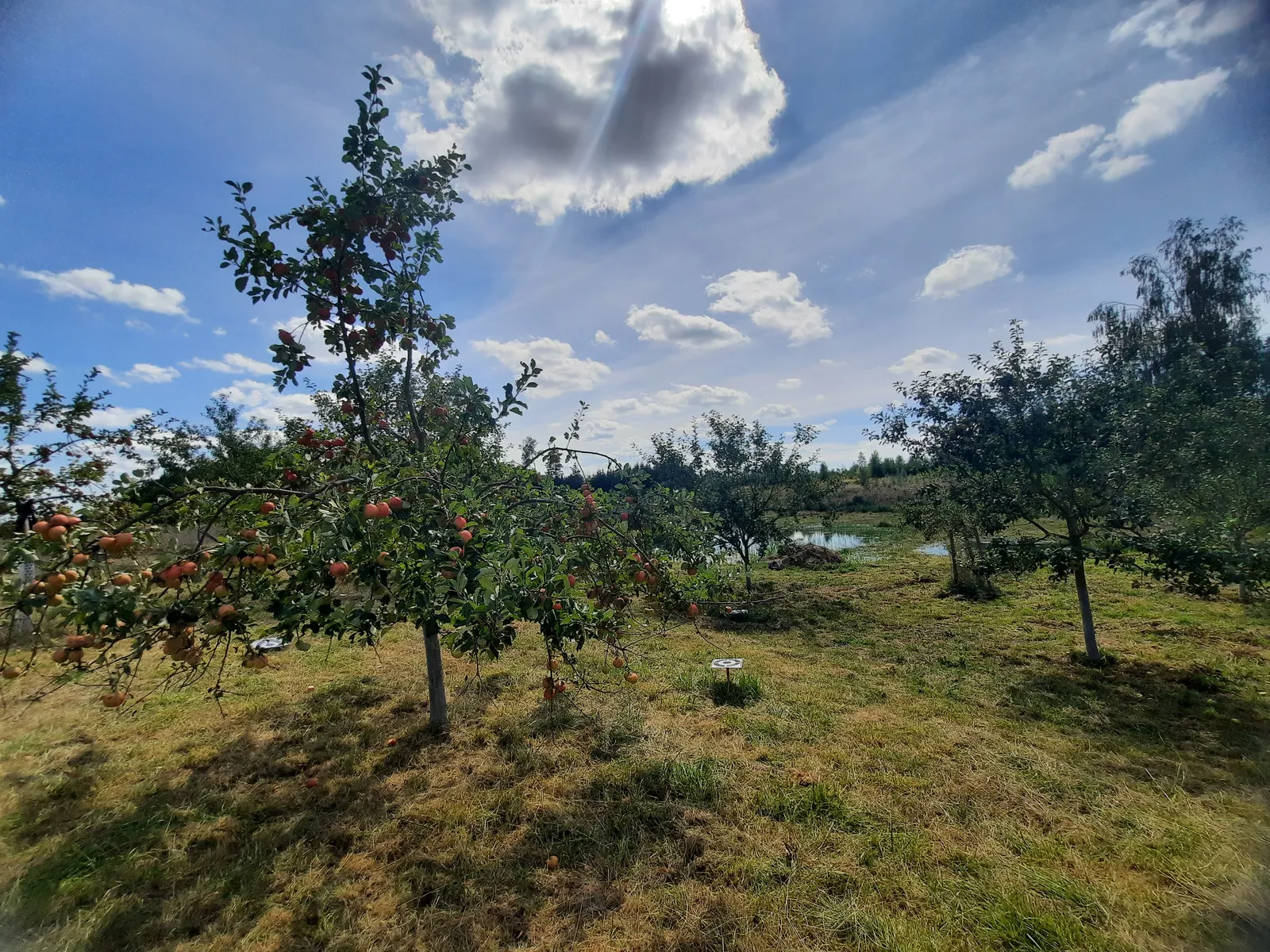
Fruit orchard adjacent to the pond
Pomological Identification and Tree Health Assessment
Pomological assessment was carried out for apple, plum and pear trees occurring within the monitored area. Individual trees were evaluated on the basis of characteristic fruit traits in order to support the identification of cultivars and locally occurring genotypes. Representative fruits were photographed in detail and selected samples were collected for subsequent assessment and comparison.
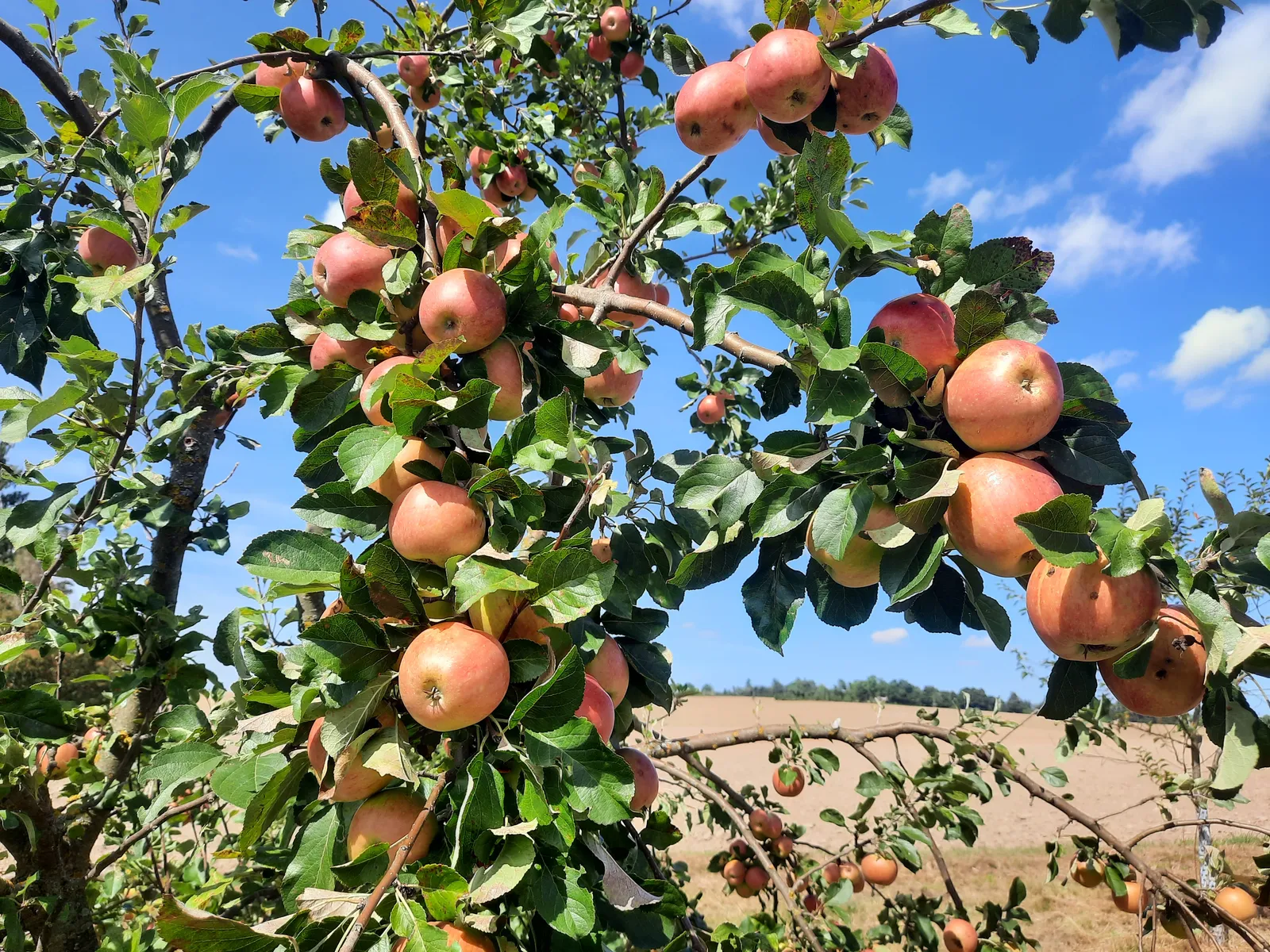
Ripening apples (Malus x domestica)
At the same time, the overall health and vitality of the monitored trees were evaluated, with particular attention paid to visible symptoms of damage, diseases, physiological disorders and other stress factors. The field survey also confirmed mortality of several thermophilous stone fruit trees established within the Case Study area. Their replacement was discussed directly in the field, together with the selection of suitable replacement material and the timing of replanting. In addition, appropriate agrotechnical measures were proposed to improve establishment and long-term survival of the trees, including adjustments to soil management, competition control in the tree rows, water management and subsequent maintenance of newly planted individuals.
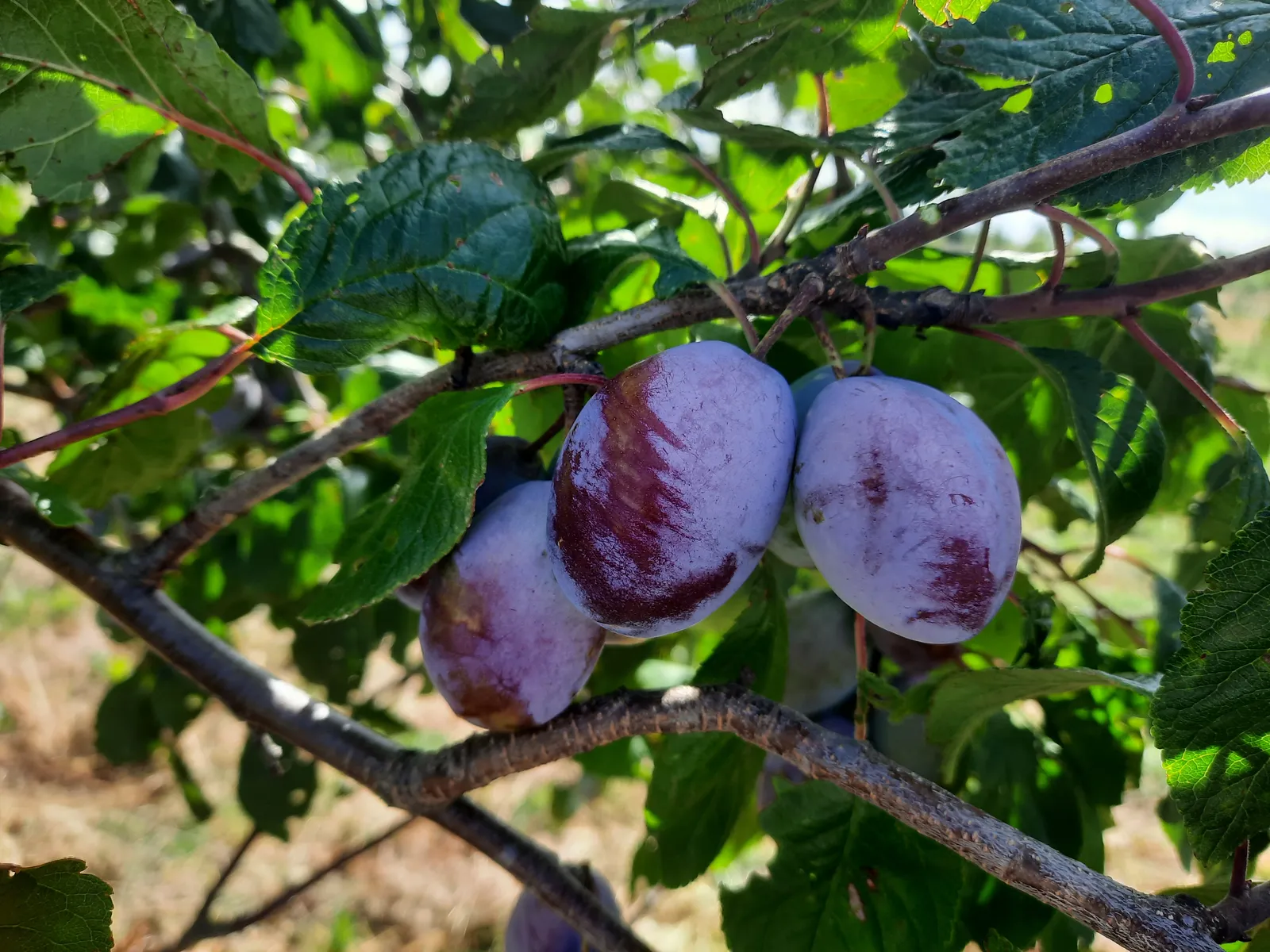
Ripening plums (Prunus domestica)
Phytocoenological Survey of Pond-Side Vegetation
A phytocoenological survey was conducted along the pond shoreline in an area visibly affected by human activities. The survey aimed to characterise the current species composition, vegetation structure and overall condition of the plant community, including the occurrence of dominant and accompanying species and the degree of anthropogenic influence on the vegetation.
The assessment was complemented by detailed photographic documentation of the recorded plant species and vegetation structure. Representative plant material was also collected where appropriate for subsequent verification and evaluation. These observations provide additional information on the ecological condition of the pond littoral zone and complement the broader assessment of wetland vegetation, biodiversity and management within the Case Study.
We found many typical species of the pond’s littoral zone, such as Bidens cernua, Scutellaria galericulata, Ranunculus flamula, R. sceleratus, Alisma plantago-aquatica, Alopecurus aequalis, Myosotis palustris, Juncus articulatus, Cyperus fuscus, Lythrum salicaria, Lysimachia nummularia and L. vulgaris. Further out in the water there were Phragmites australis, Phalaris arundinacea, Glyceria fluitans, G. maxima, Iris pseudacorus, Typha angustifolia, Potamogeton natans. Among the species planted as part of the pond’s restoration, the beautifully flowering water lilies (the Nymphaea genus) and Calla palustris cannot be overlooked. Another interesting group of species consists of some rarer species of exposed pond’s ground that likely appeared here following the pond restoration, which allowed seeds that had been lying dormant here for a long time to germinate — Carex bohemica and Eleocharis ovata. In addition, around the pond we can also find some ruderal species associated with higher nutrient levels carried here from the surrounding area and linked to various human activities—for example Echinochloa crusgalli, Cirsium arvense, Galium aparine, Anthemis arvensis, and even A. tinctoria, which was abundant on the slope just above the pond and which was not native in this habitat.
The pond and its littoral vegetation represent an important component of the integrated monitoring framework, as vegetation structure and management can influence habitat diversity, nutrient dynamics and the overall ecological stability of the site. The newly acquired field records will therefore support future comparisons of vegetation development and changes in species composition over the course of the project.
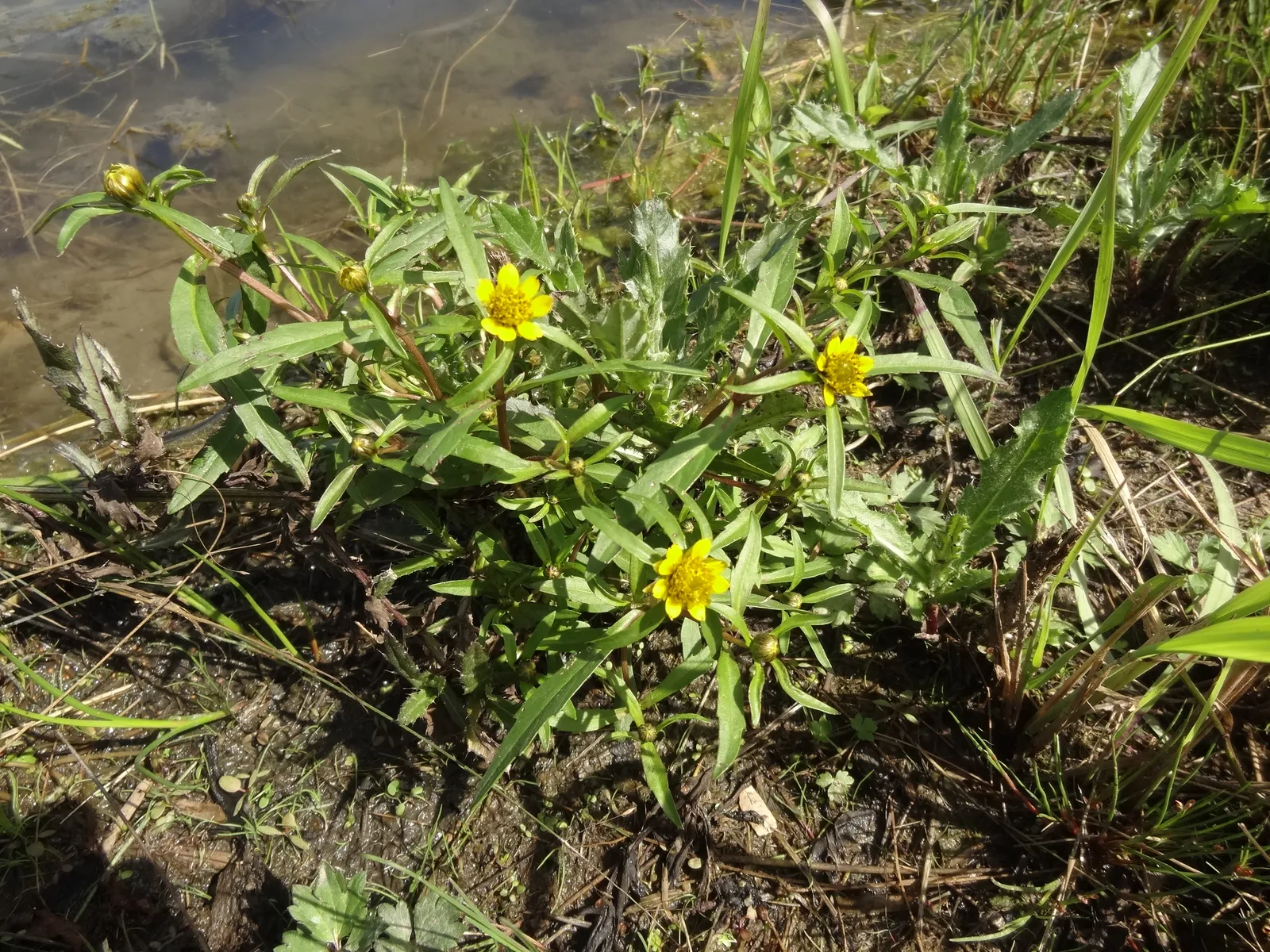
Bidens cernua
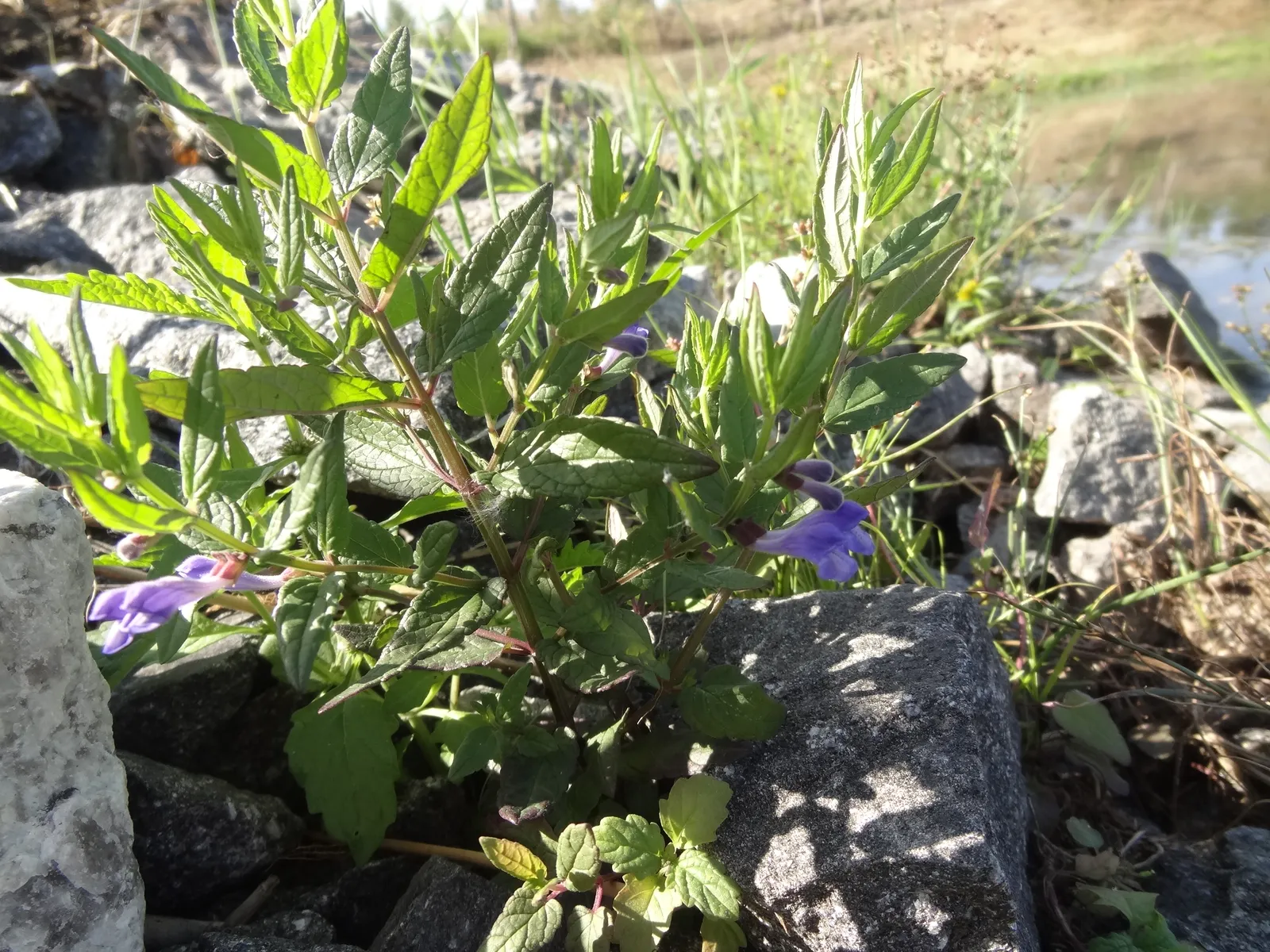
Scutellaria galericulata
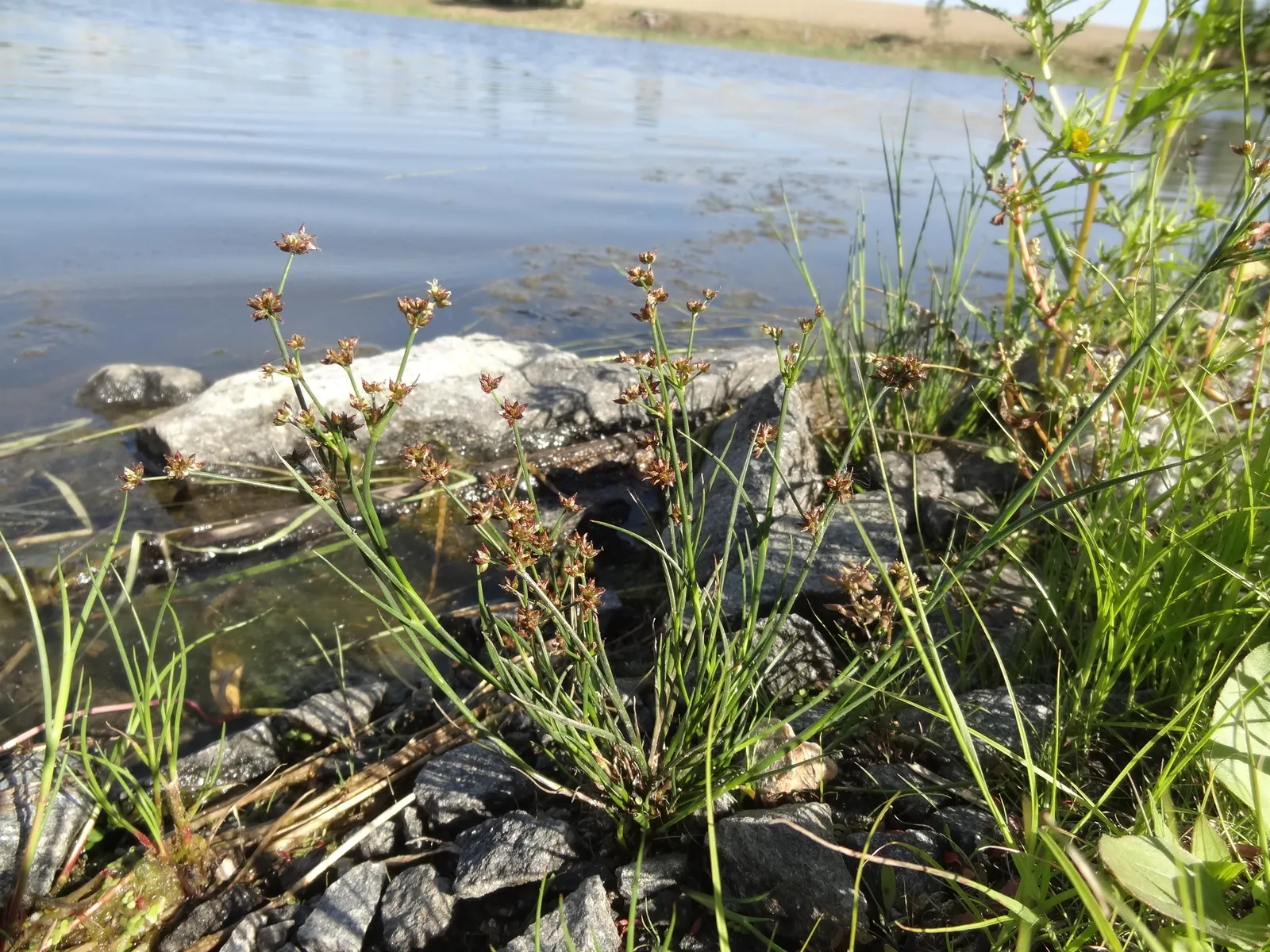
Juncus articulates
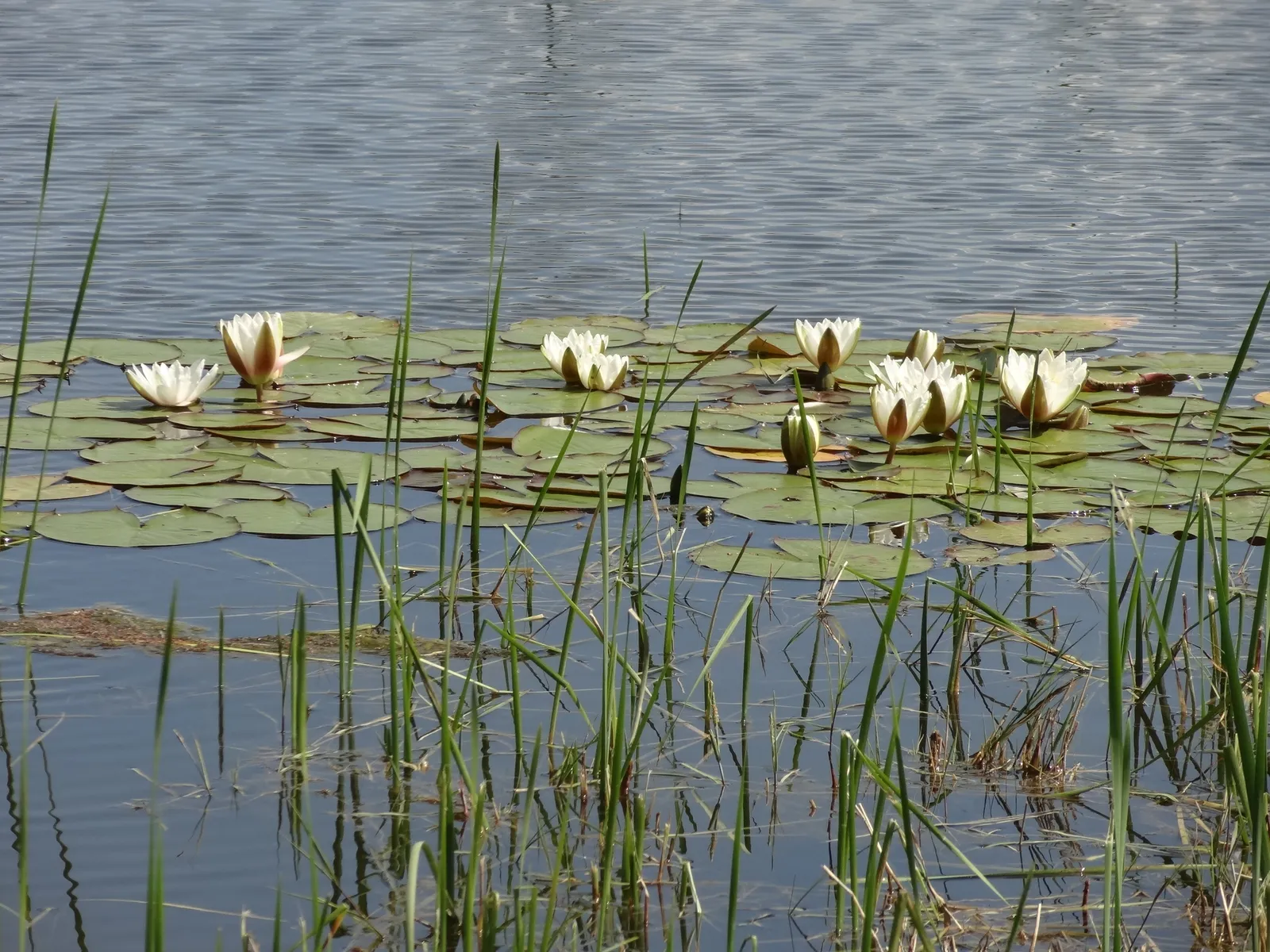
Nymphaea alba
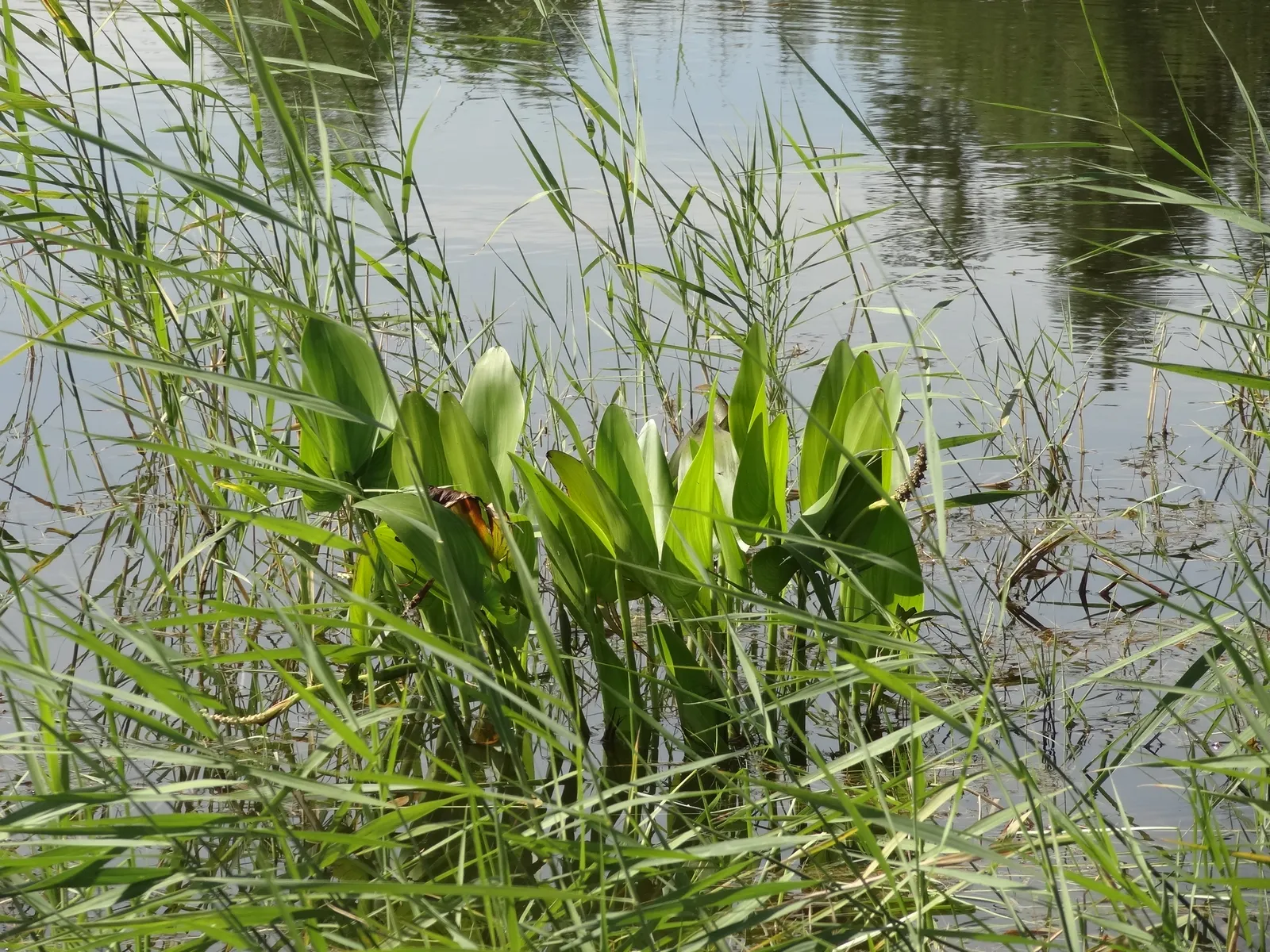
Calla palustris
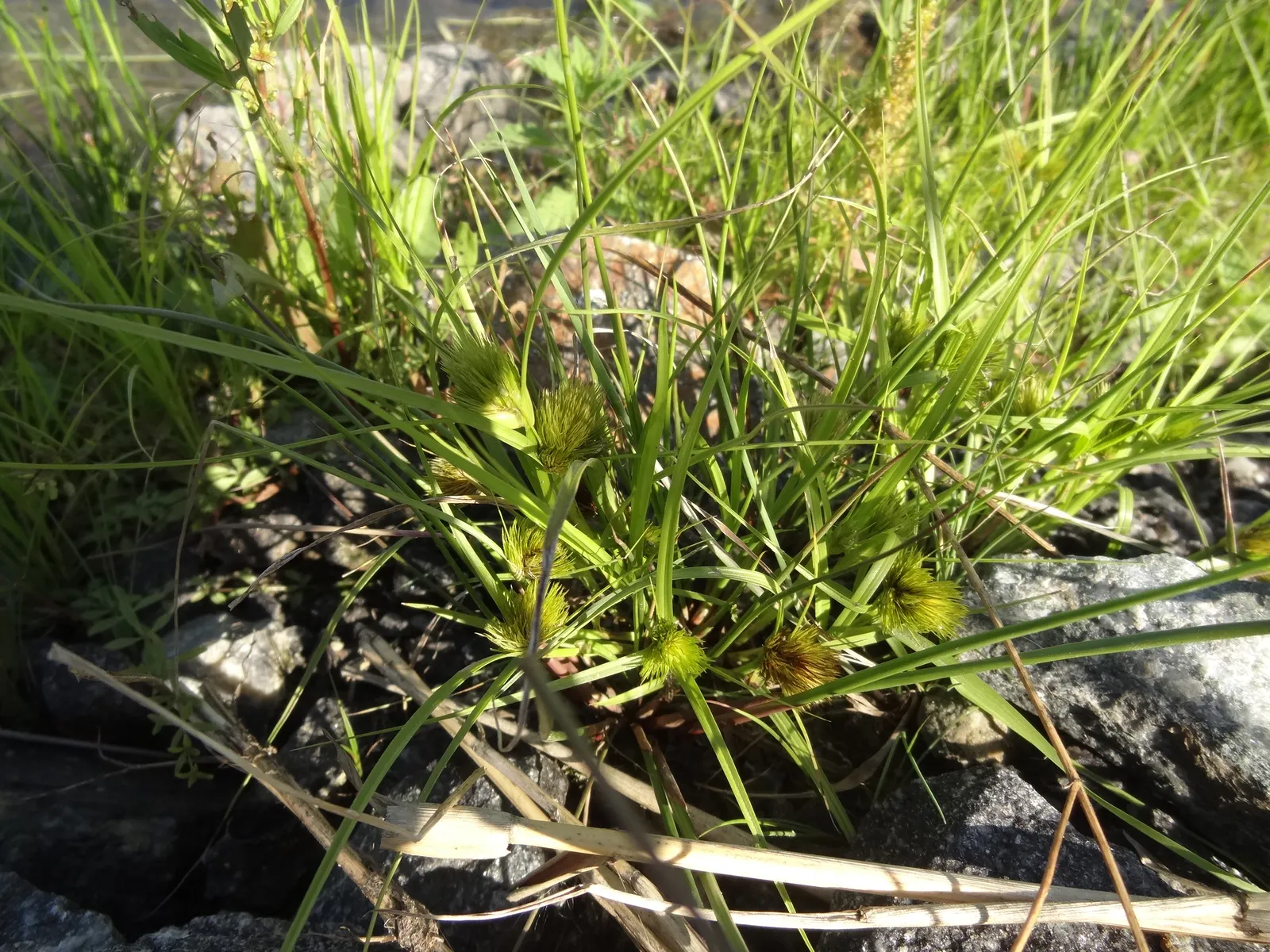
Carex bohemica
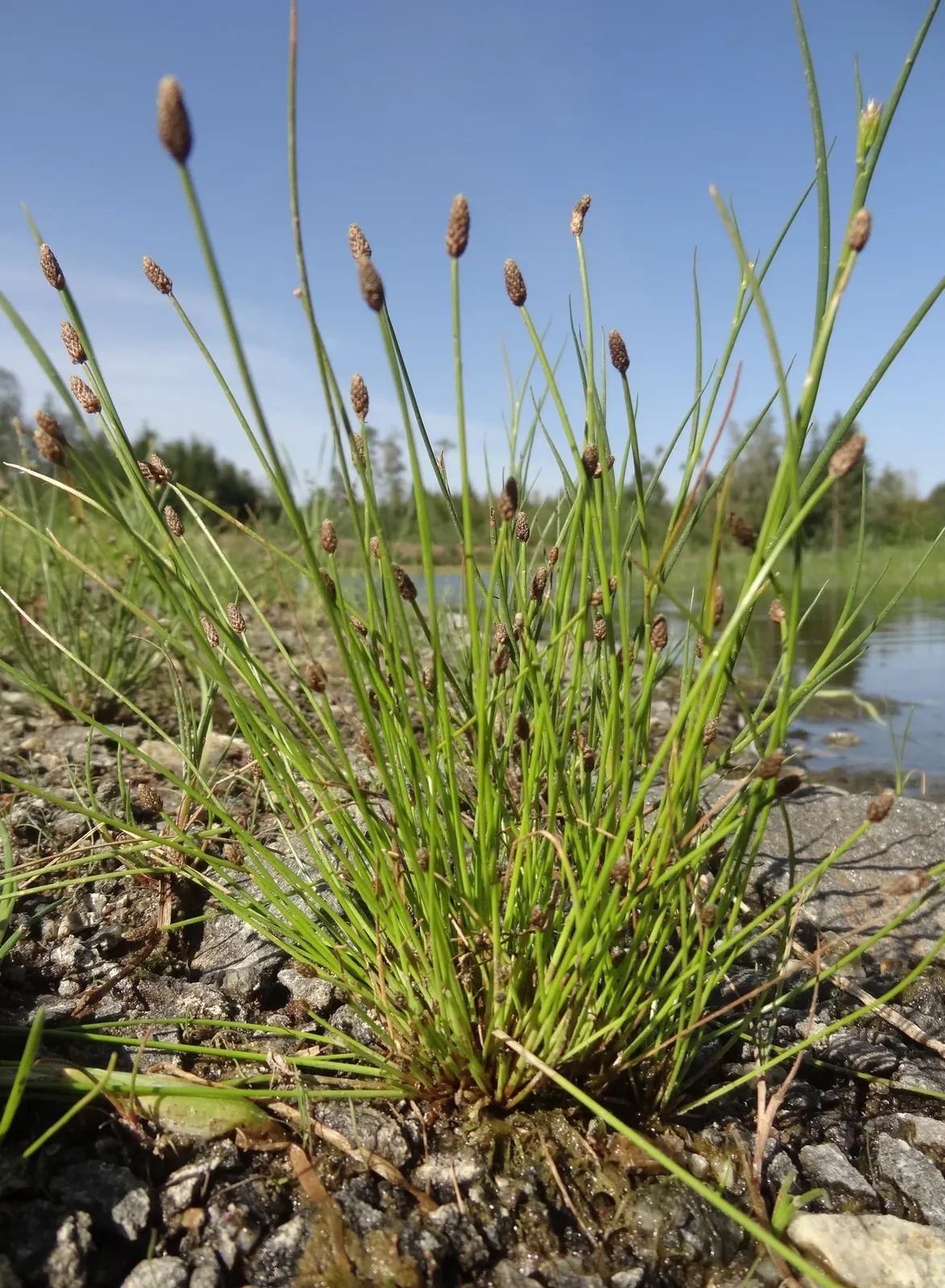
Eleocharis ovata