Winter Activities in the Case Study Vysočina Region (the Czech Republic)
Fieldwork in the Vysočina case study region included technical inspections, plant condition assessments after winter, and sample collection supporting ongoing BioClima research.
 Jiri Sedlak - RESEARCH AND BREEDING FRUIT INSTITUTE HOLOVOUSY s.r.o. (VSUO)
•
March 3, 2026
Jiri Sedlak - RESEARCH AND BREEDING FRUIT INSTITUTE HOLOVOUSY s.r.o. (VSUO)
•
March 3, 2026
As part of the semi-operational trial (Case Study) of the BioClima project, a new series of field activities was carried out in the Case Study locality and wider Vysočina region. The visit focused on technical inspection of the monitoring infrastructure, assessment of plant performance after winter, and continuation of research activities linked to the experimental site.
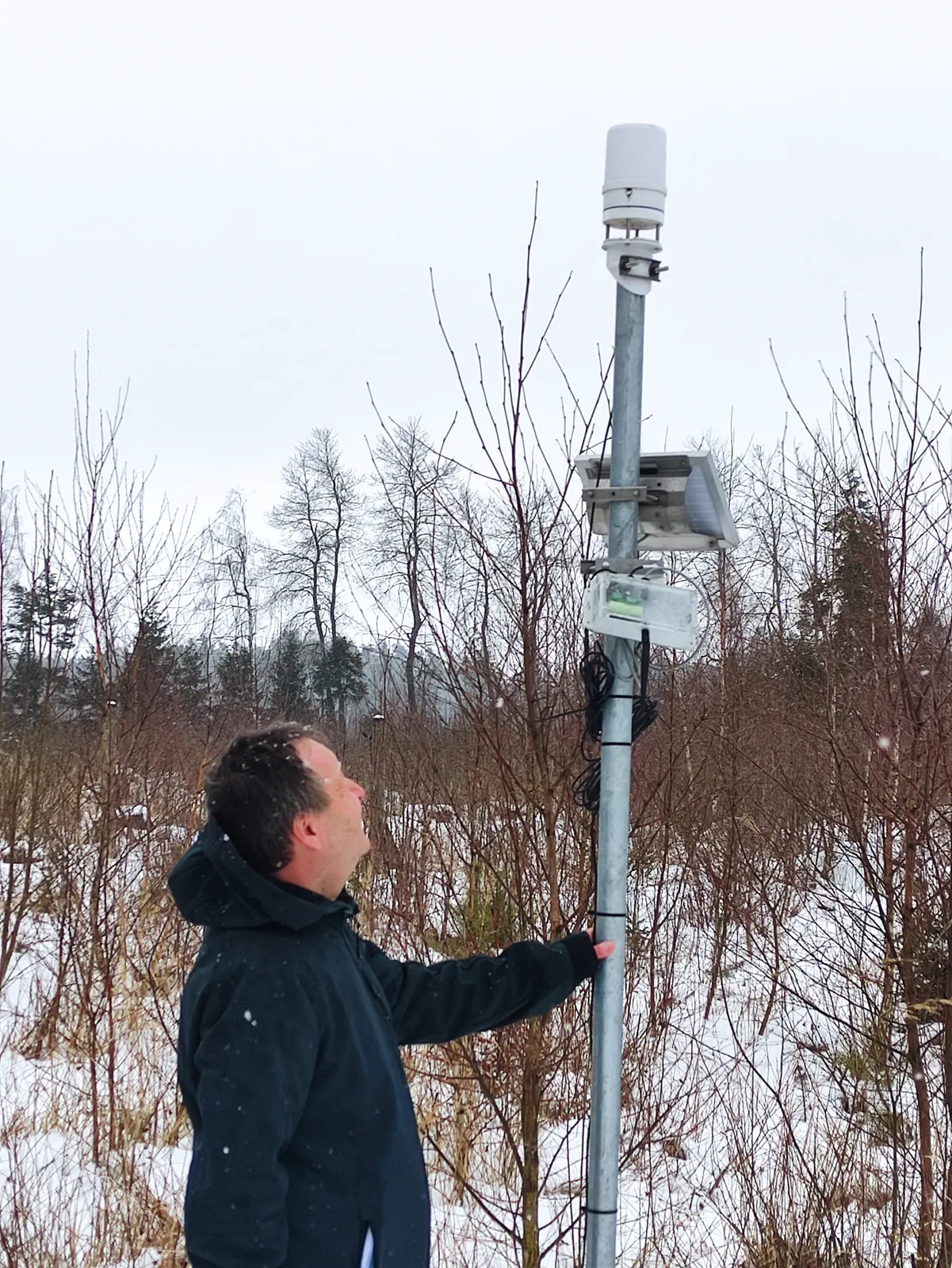
Control of Meteorological Monitoring
A technical inspection of the installed meteorological equipment was conducted to verify the proper functioning of sensors measuring air and soil temperature as well as humidity parameters. Data loggers and power supply systems were checked to ensure continuous and reliable data collection. Maintaining high-quality environmental data is essential for evaluating the influence of local microclimatic conditions on the growth and resilience of the monitored tree and shrub species.
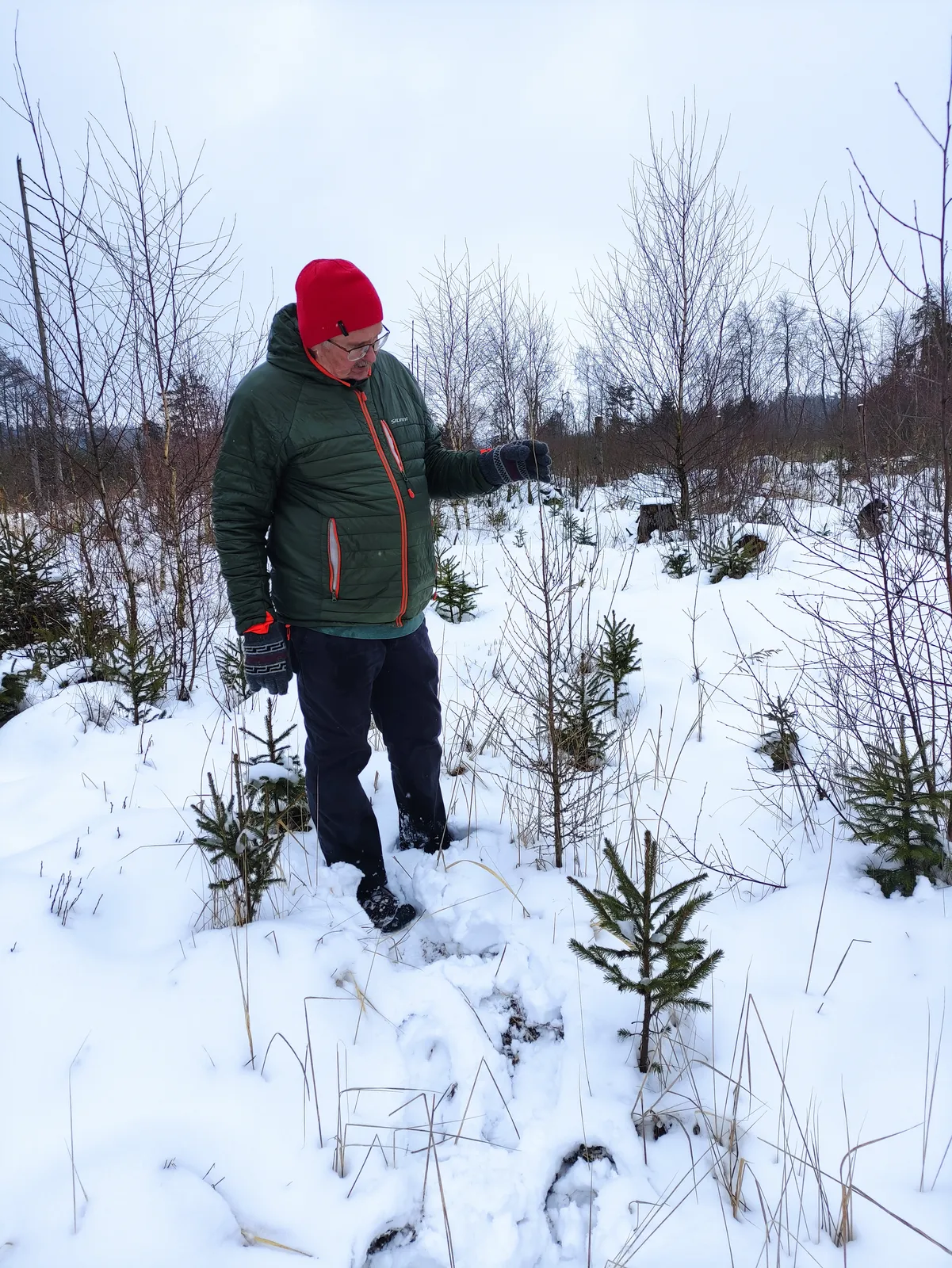
Assessment of Winter Survival
A field survey was performed to assess the overwintering status of selected tree and shrub species. Observations focused on frost damage, bud vitality, and the overall physiological condition of plants at the beginning of the growing season. These data will contribute to the evaluation of species-specific tolerance to winter stress and temperature fluctuations under changing climatic conditions.
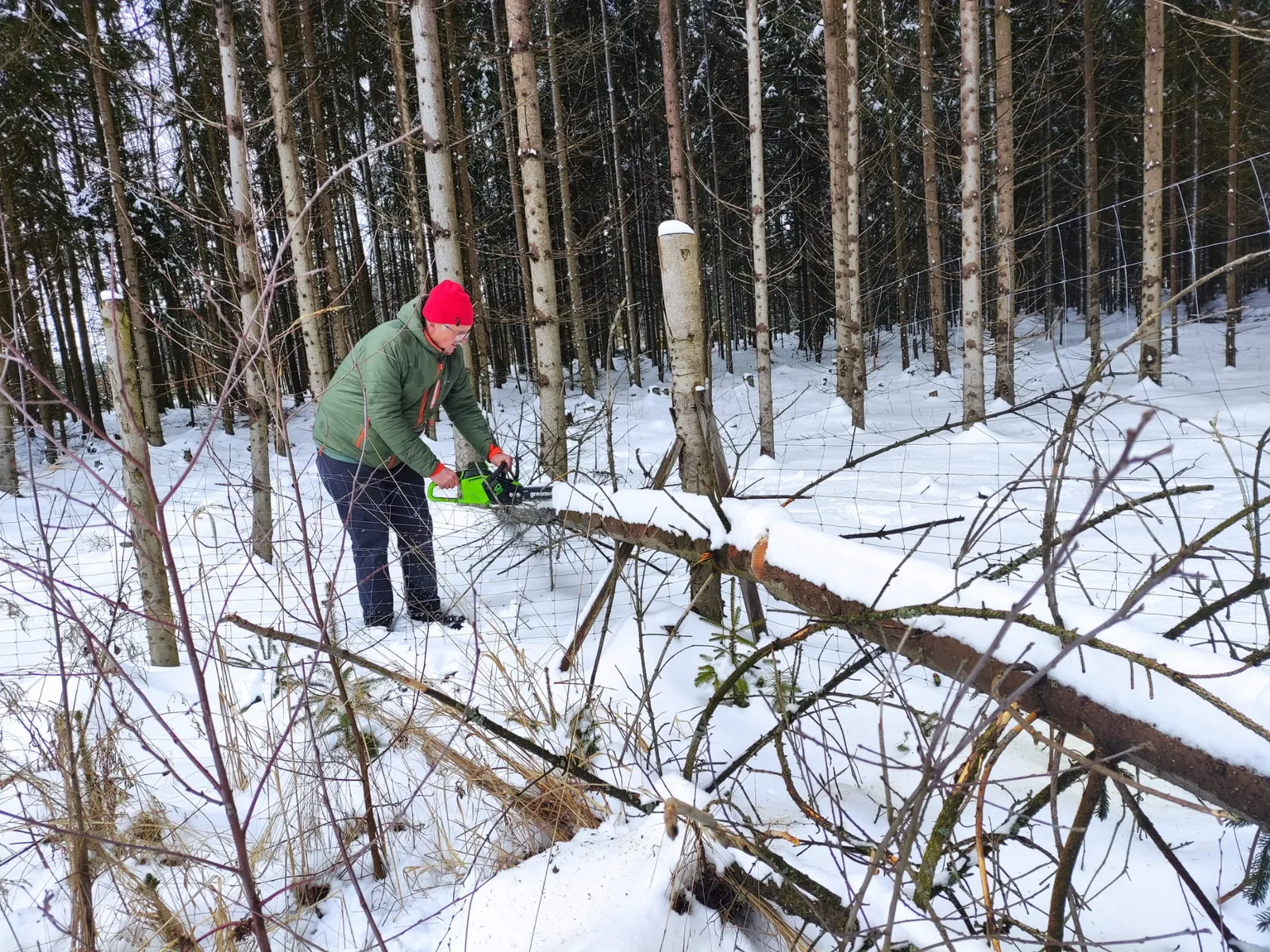
Repair of Protective Fencing
In the forest plantings, sections of protective fencing were repaired. The fencing serves to protect young trees from browsing damage by wildlife. Ensuring effective protection is important not only for plant survival but also for obtaining unbiased data on growth and establishment success.
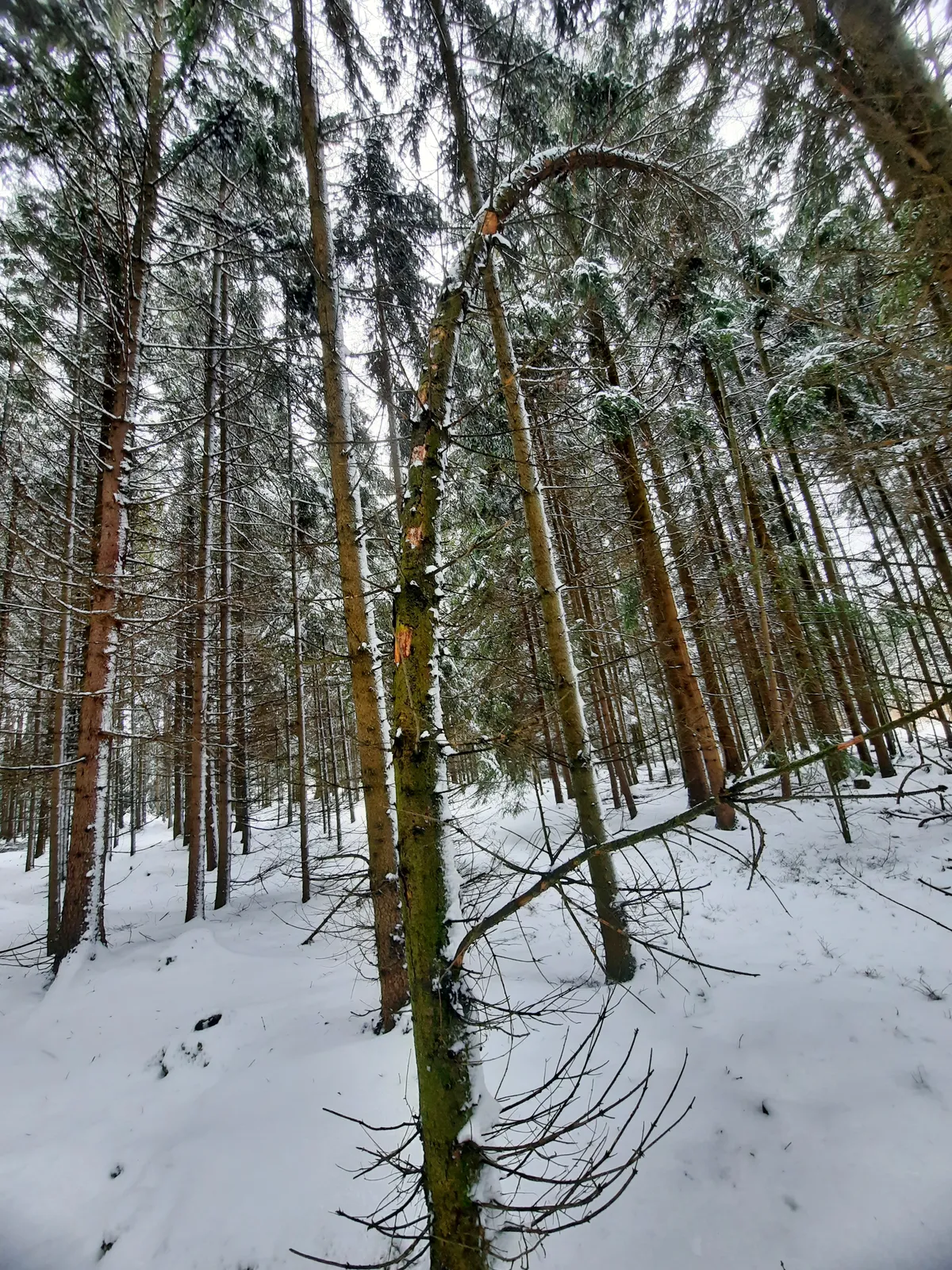
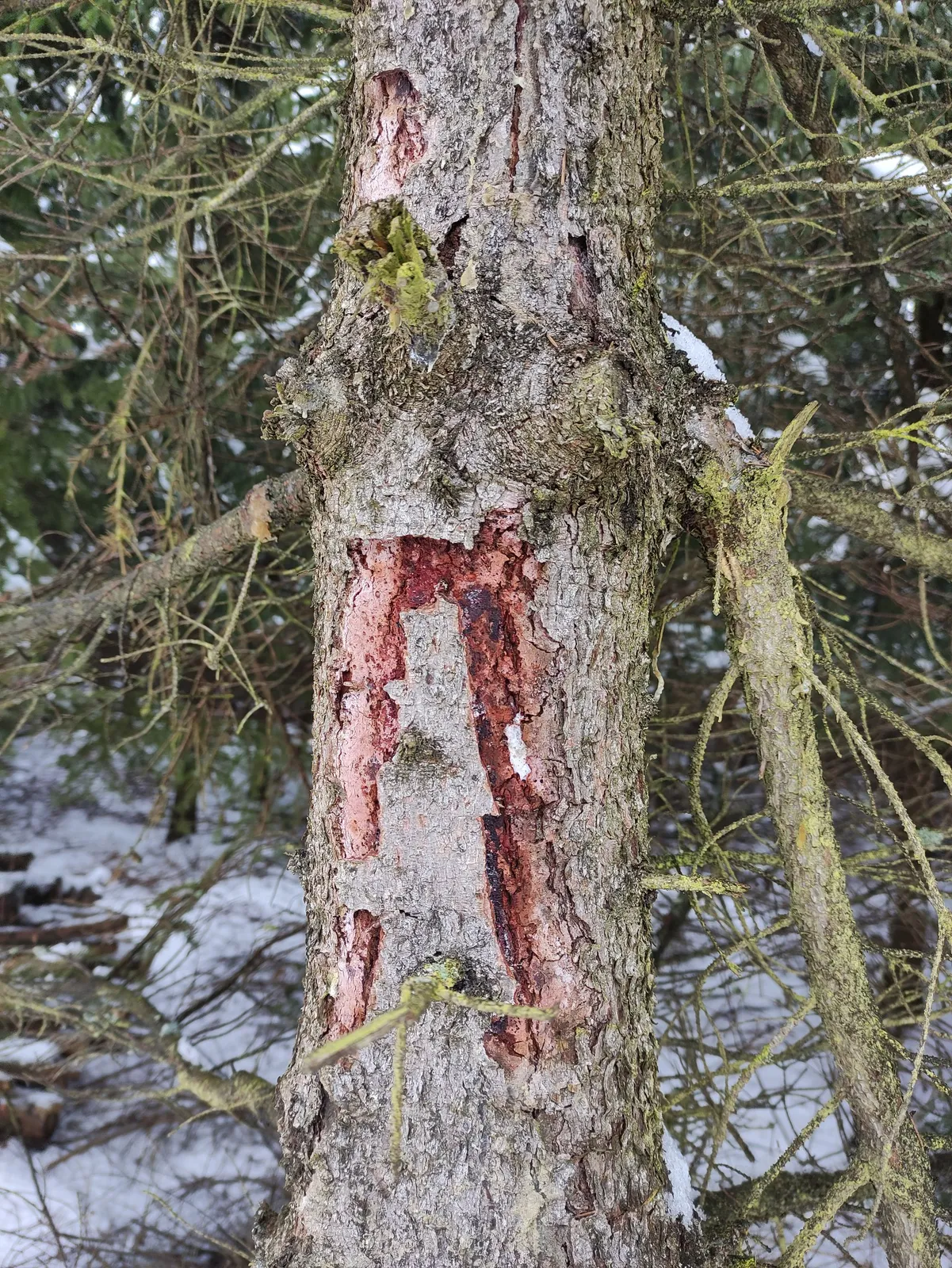
Monitoring of Bark Beetle Incidence
The field visit also included monitoring of bark beetle presence in coniferous species within the study area. Visible symptoms of infestation were recorded and the overall condition of affected trees was assessed. These observations are relevant for understanding the interaction between climatic stress factors and secondary biotic disturbances.
Transport of Apple Plant Material for Genetic Analysis
Selected apple plant material was transported to the Research and Breeding Institute of Pomology in Holovousy for molecular genetic analyses. The analyses will focus on genetic characterization and the identification of important apple (Malus domestica) genotypes and their adaptation to changing climatic conditions.
These activities demonstrate the continued and coordinated effort within the BioClima project to integrate field-based research with laboratory analyses, supporting a comprehensive evaluation of species performance under ongoing climate change.