Matějov, Czech Republic | 28 April 2026
How can satellites, drones, environmental sensors, and artificial intelligence help us better understand the impacts of climate change on landscapes and ecosystems? This question was at the heart of the BioClima and FOCAL Field Day held on 28 April 2026 in the pilot study area near the village of Matějov in the Vysočina Region of the Czech Republic.
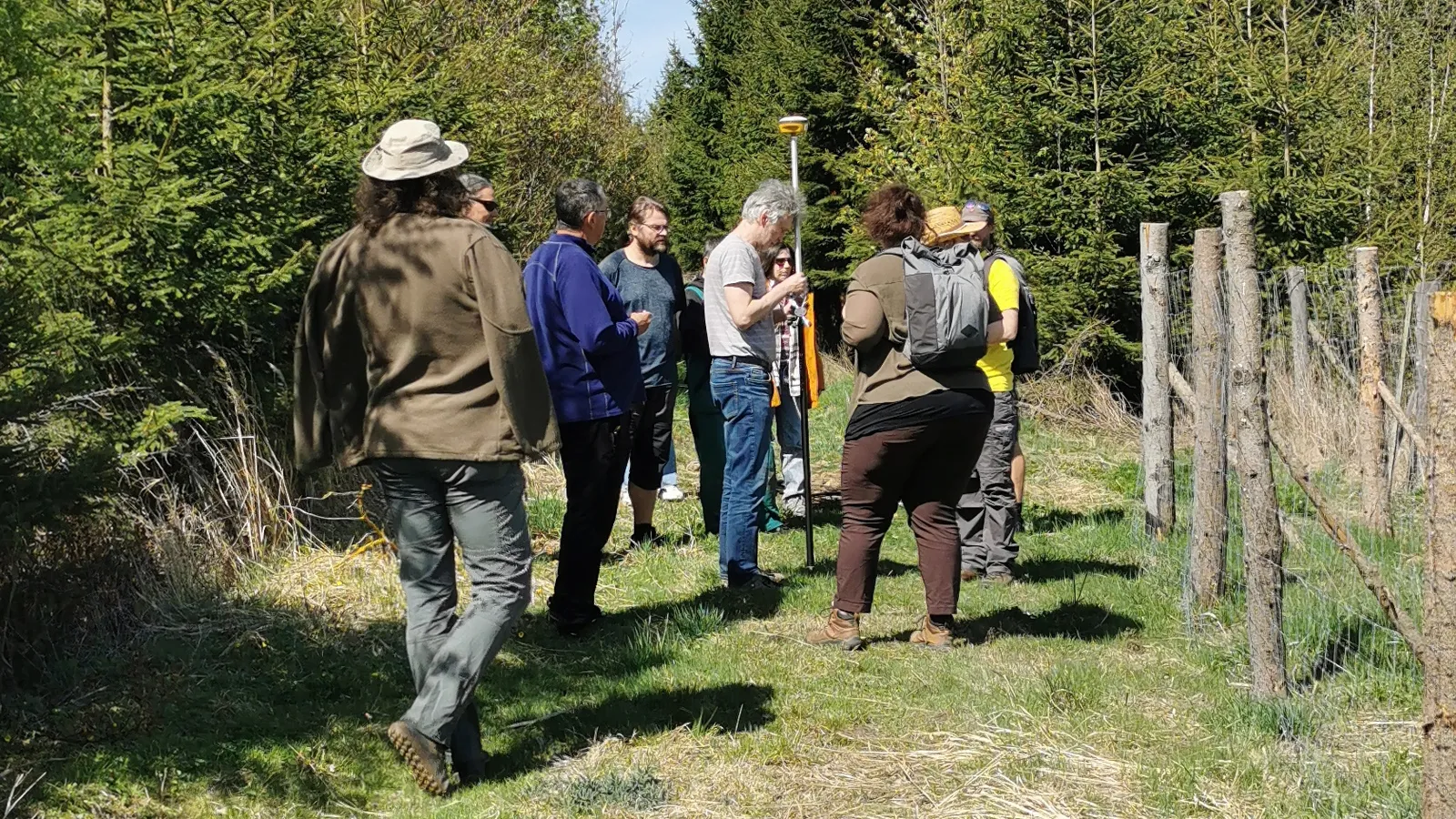
The event brought together researchers, technology experts, environmental specialists, local authorities, and project partners to showcase innovative approaches to climate and biodiversity monitoring directly in the field. Participants had the opportunity to observe environmental sensors, drone-based aerial surveys, satellite data applications, soil sampling activities, and AI-supported environmental modelling.
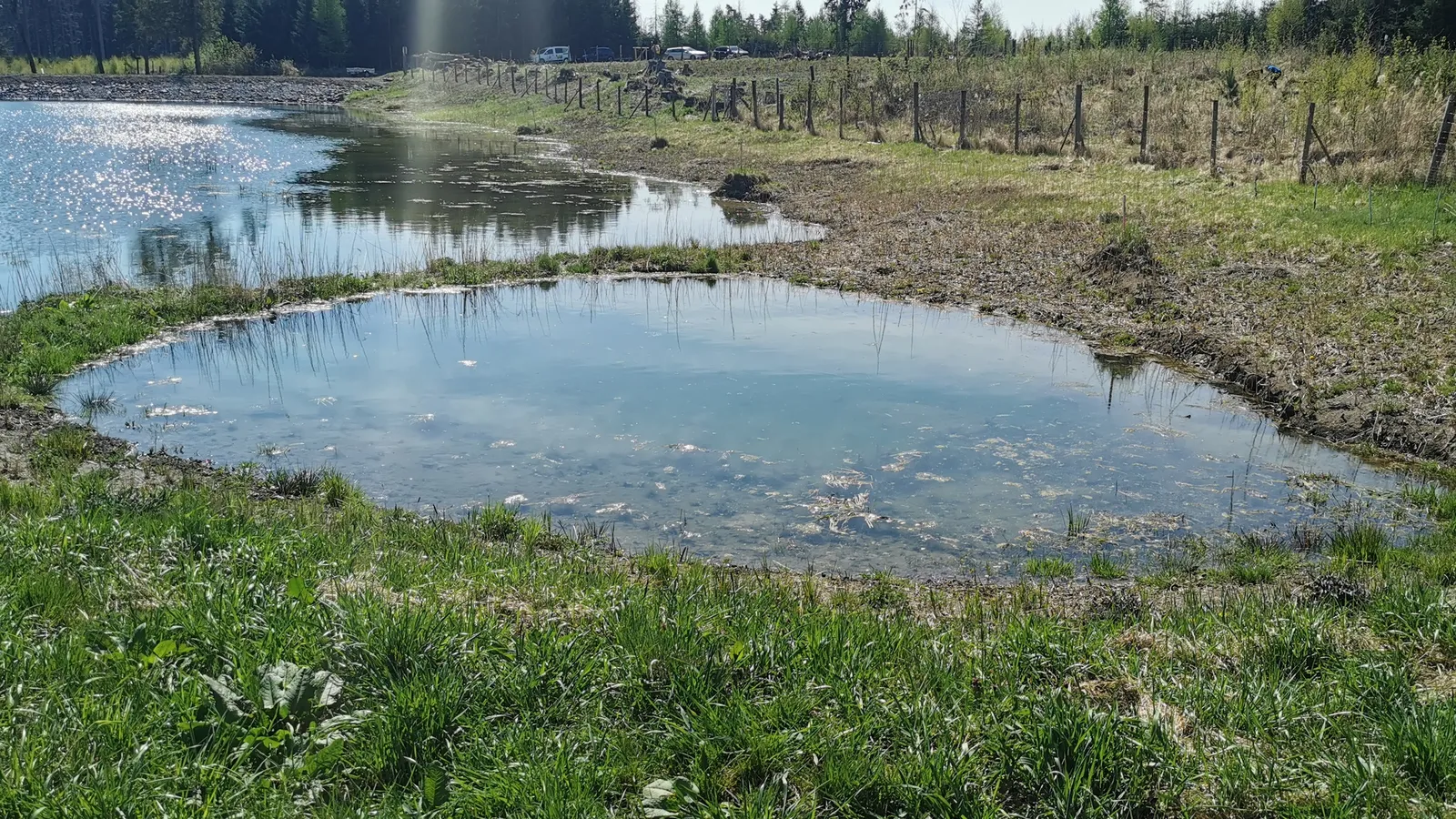
The Matějov site serves as a demonstration area for both the BioClima and FOCAL projects. Long-term activities in the area focus on ecosystem restoration, biodiversity enhancement, forest regeneration, water retention measures, and monitoring the impacts of climate change on agricultural and forest landscapes.
Traditional Orchards Supporting Biodiversity
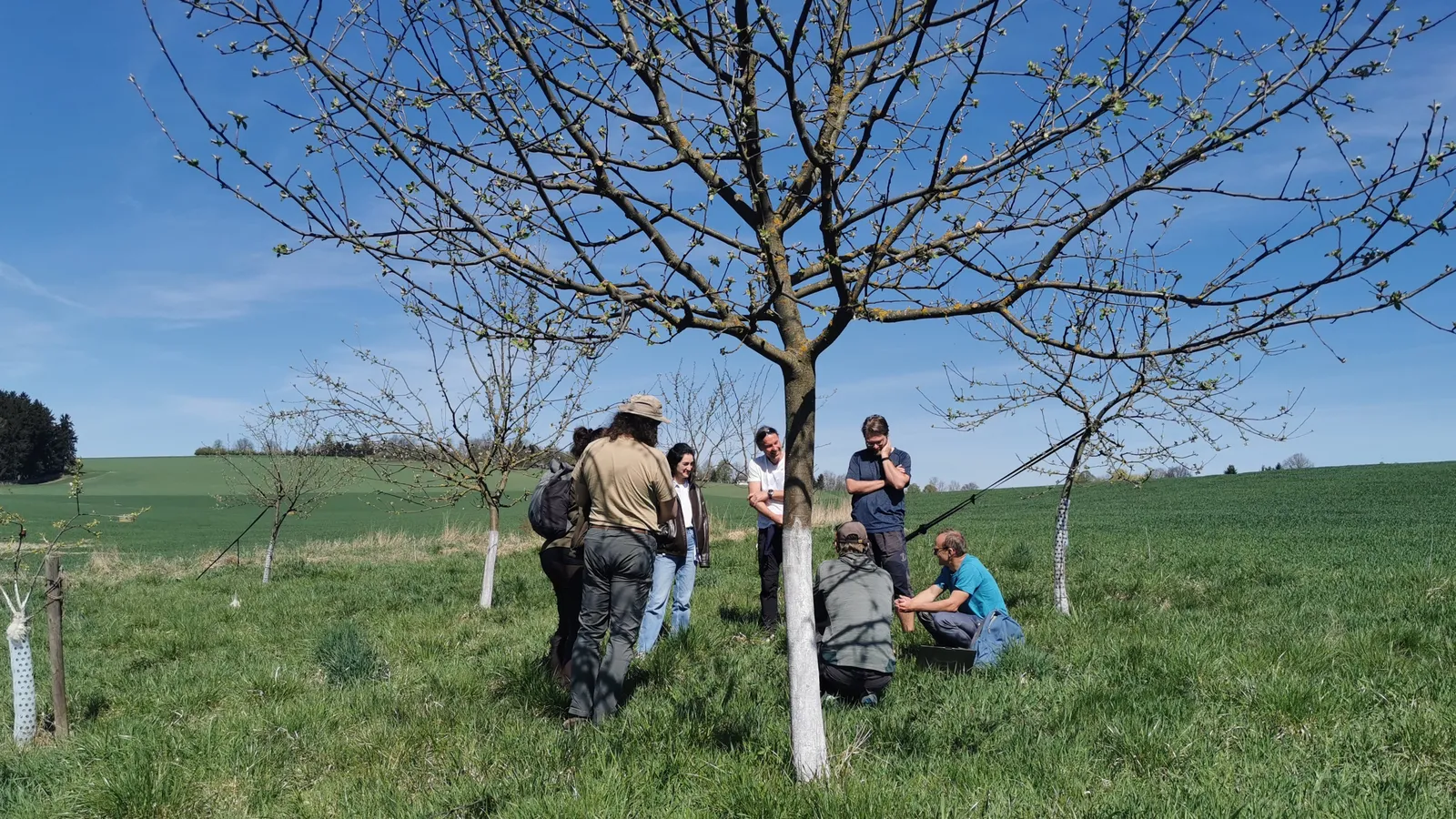
Participants also visited an extensive orchard established according to traditional Central European orchard principles.
Jiří Sedlák from the Research and Breeding Institute of Pomology Holovousy presented a collection of traditional and regional fruit tree varieties, including numerous apple cultivars as well as pears, cherries, plums, apricots, and peaches.
The orchard serves as a living experiment for studying agrobiodiversity and the adaptability of fruit species to changing climatic conditions. Researchers are particularly interested in understanding how drought affects young trees and how traditional orchard systems can contribute to climate adaptation and biodiversity conservation.
Beyond fruit production, the orchard also performs important ecosystem functions by reducing soil erosion, increasing water retention, and enhancing habitat diversity.
From Soil Samples to Satellite Observations
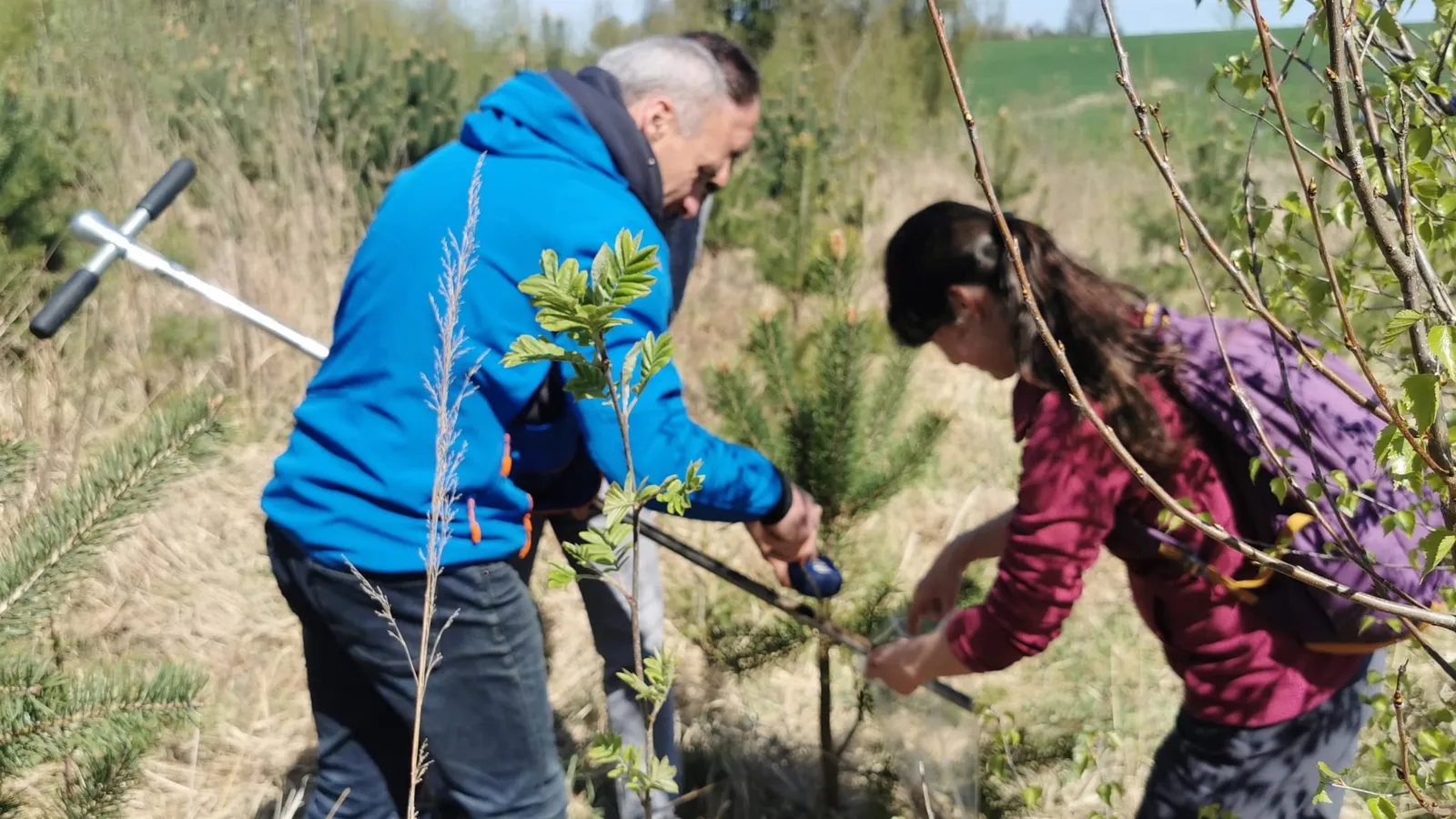
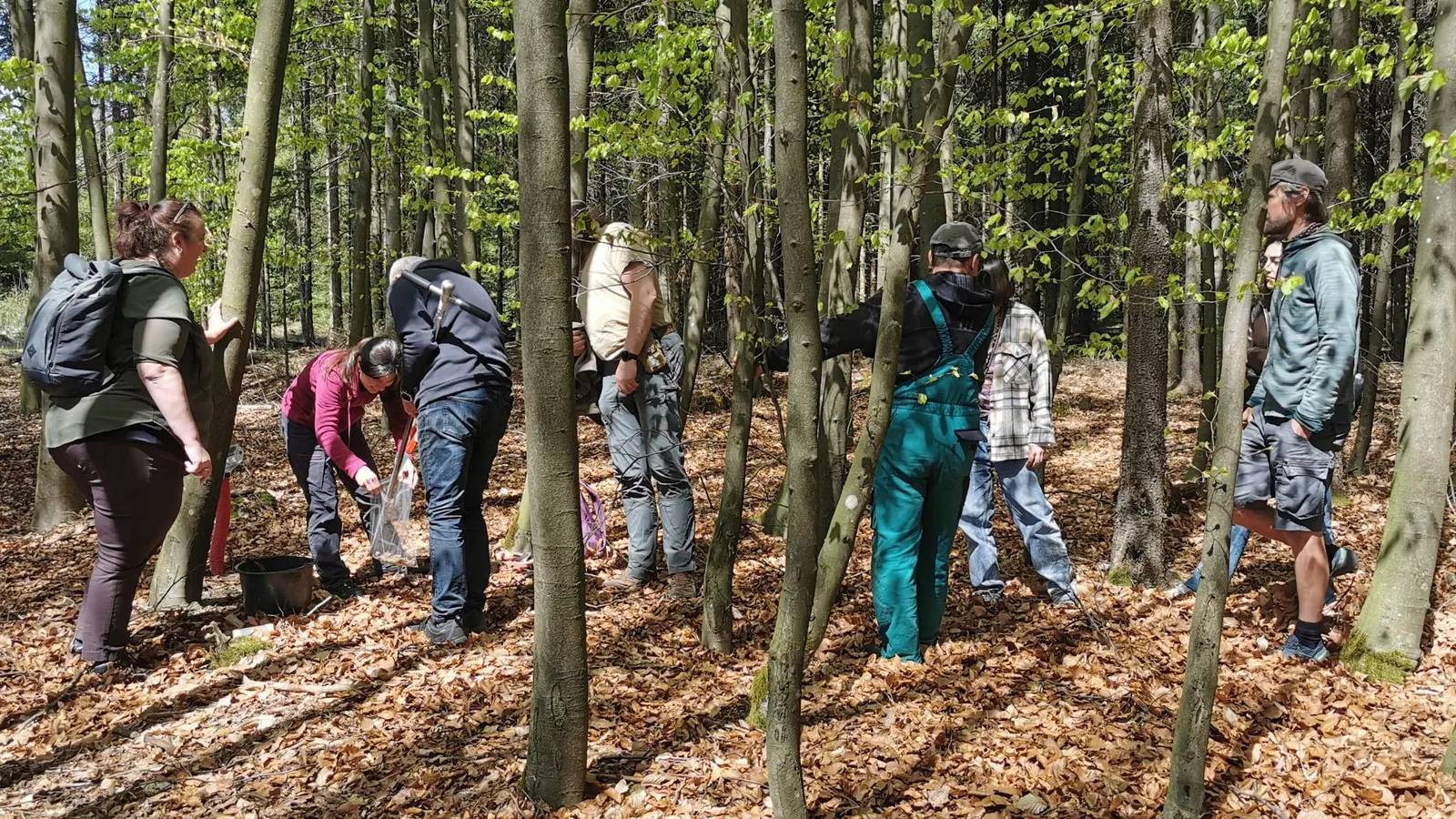
Field demonstrations included soil sampling activities conducted by Radek Vávra and Iveta Husáková from the Research and Breeding Institute of Pomology Holovousy. Laboratory analyses of these samples provide valuable information about soil chemistry, nutrient availability, pH, and other factors influencing ecosystem health and vegetation growth.
The site is also equipped with meteorological stations and environmental sensors continuously measuring temperature, precipitation, soil moisture, and other environmental variables. The sensor infrastructure is maintained and operated by Marek Musil from Plan4all, who demonstrated how field measurements are collected, transmitted, and integrated into broader environmental monitoring systems. These observations provide essential ground-truth data for validating satellite-based analyses and AI-driven models.
Artificial Intelligence for Hyperlocal Climate Predictions
Artificial intelligence is another key component of both BioClima and FOCAL.
Pavel Kordík from the Czech Technical University's Faculty of Information Technology and an international team of researchers presented advanced approaches combining satellite observations, sensor measurements, and climate models. Their goal is to develop highly detailed environmental predictions capable of describing climate impacts at local and landscape scales.
Data collected in Matějov play a crucial role in validating and improving these AI-based models, which are expected to support future decision-making in forestry, agriculture, biodiversity conservation, and climate adaptation.
Drone Monitoring and Earth Observation Technologies
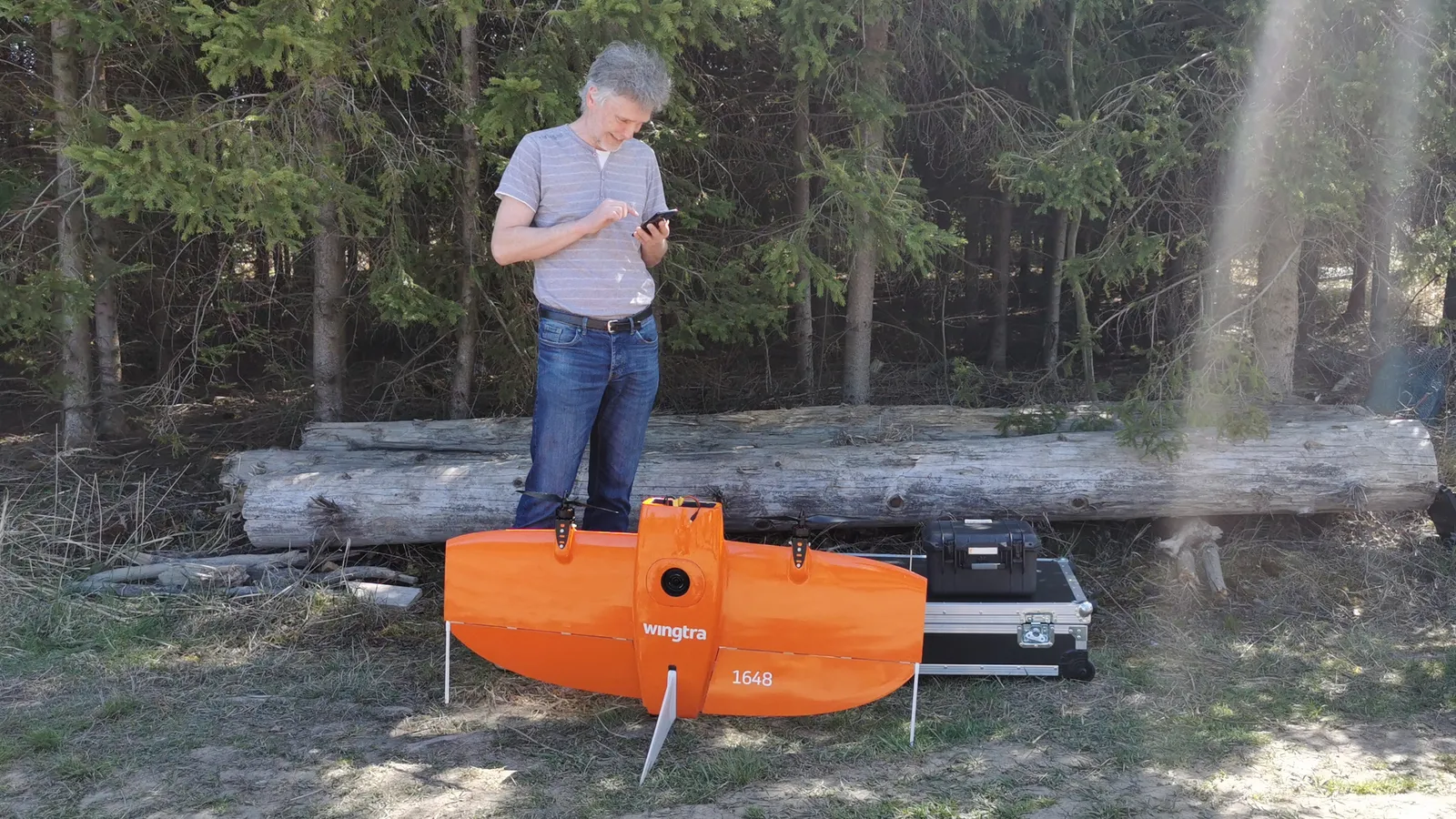
A highlight of the field day was the demonstration of drone-based monitoring technologies by Radek Fiala and Michal Kepka from the University of West Bohemia's Faculty of Applied Sciences.
Using RGB and multispectral cameras, drones can generate highly detailed maps of vegetation health, land cover changes, and environmental conditions. These observations complement satellite imagery from Sentinel and other Earth Observation missions, enabling researchers to monitor both local experimental plots and larger regional landscapes.
The resulting datasets help scientists evaluate the impacts of deforestation, land-use changes, and climate variability across the broader Žďár region.
A Living Laboratory for Forest Restoration
One of the main themes of the field day was the transformation of landscapes affected by bark beetle outbreaks and changing climatic conditions.
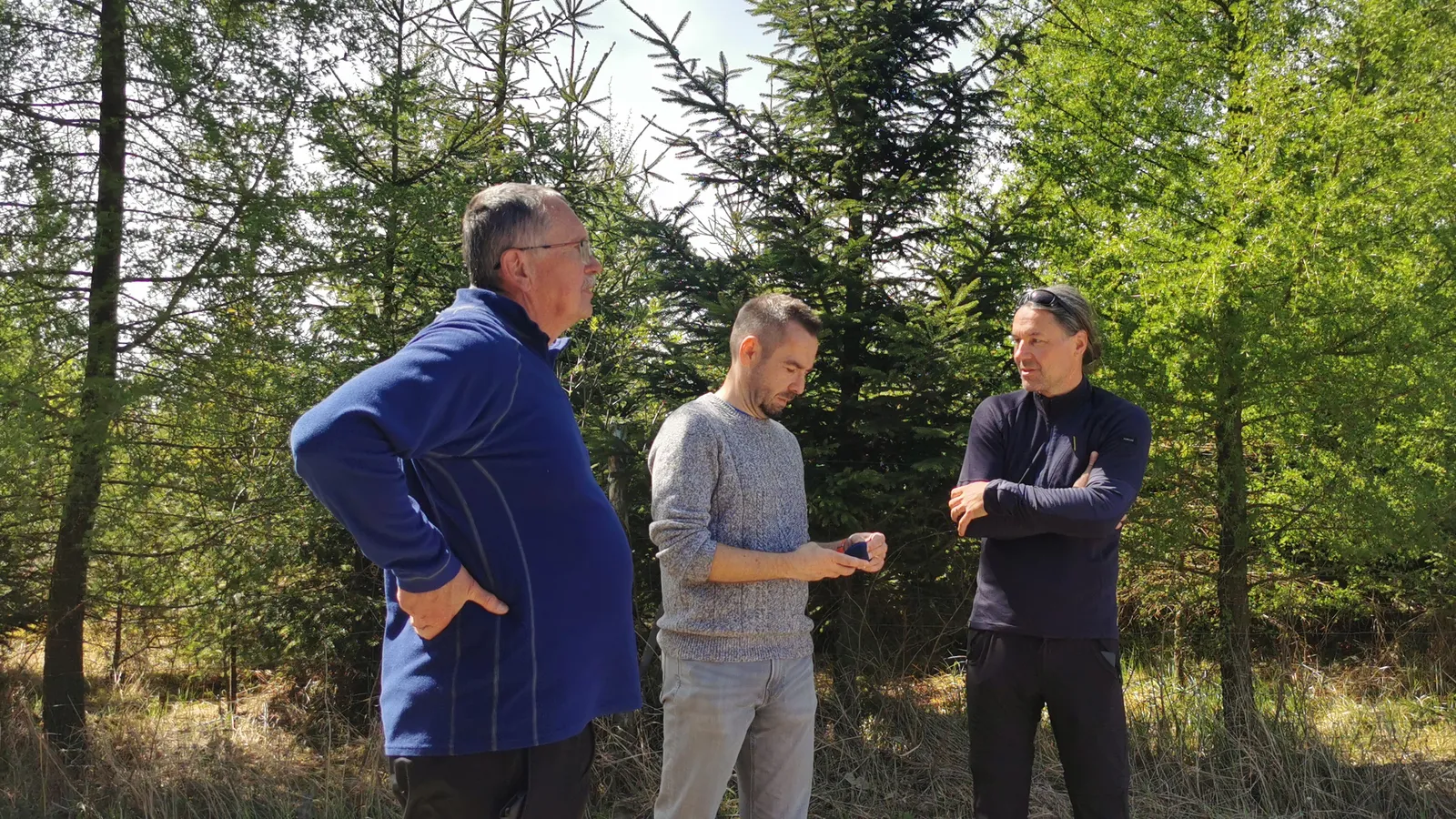
Karel Charvát from Plan4all introduced participants to areas that were formerly dominated by spruce monocultures. Today, these sites are being transformed into diverse forest stands containing beech, oak, fir, pine, larch, Douglas fir, and other species expected to be more resilient under future climate scenarios.
Lenka Lehnerová from the National Forestry Institute discussed the importance of selecting suitable tree species for future climate conditions and highlighted ongoing efforts to increase the resilience of Czech forests. Researchers are evaluating how different species respond to late spring frosts, drought periods, and other climate-related stressors that are becoming increasingly frequent across Central Europe.
Building Knowledge for Climate Adaptation
The field day demonstrated the value of interdisciplinary cooperation in addressing climate and biodiversity challenges. The event brought together experts from the Faculty of Applied Sciences of the University of West Bohemia, Plan4all, the Research and Breeding Institute of Pomology Holovousy, the National Forestry Institute, the Faculty of Information Technology at CTU, and representatives of the Environmental Department of the Municipality of Žďár nad Sázavou. Field demonstrations were led by Karel Charvát and Marek Musil (Plan4all), Radek Fiala and Michal Kepka (University of West Bohemia), Jiří Sedlák, Radek Vávra and Iveta Husáková (Holovousy), Lenka Lehnerová (National Forestry Institute), and Pavel Kordík together with an international research team from CTU.
The entire field day was documented by František Jirků from Czech Radio, who prepared a feature article highlighting the objectives of the BioClima and FOCAL projects and the importance of long-term environmental monitoring in the Czech Republic. Information and photographs from the event were also shared on the LinkedIn profile of the Faculty of Applied Sciences, University of West Bohemia, the coordinator of the BioClima project.
The knowledge generated at the Matějov pilot site will contribute to the broader European-Chinese BioClima initiative, supporting the development of innovative tools for biodiversity monitoring, climate impact assessment, and sustainable landscape management.
Further information: