European and Chinese BioClima partners meet in China to strengthen biodiversity and climate cooperation
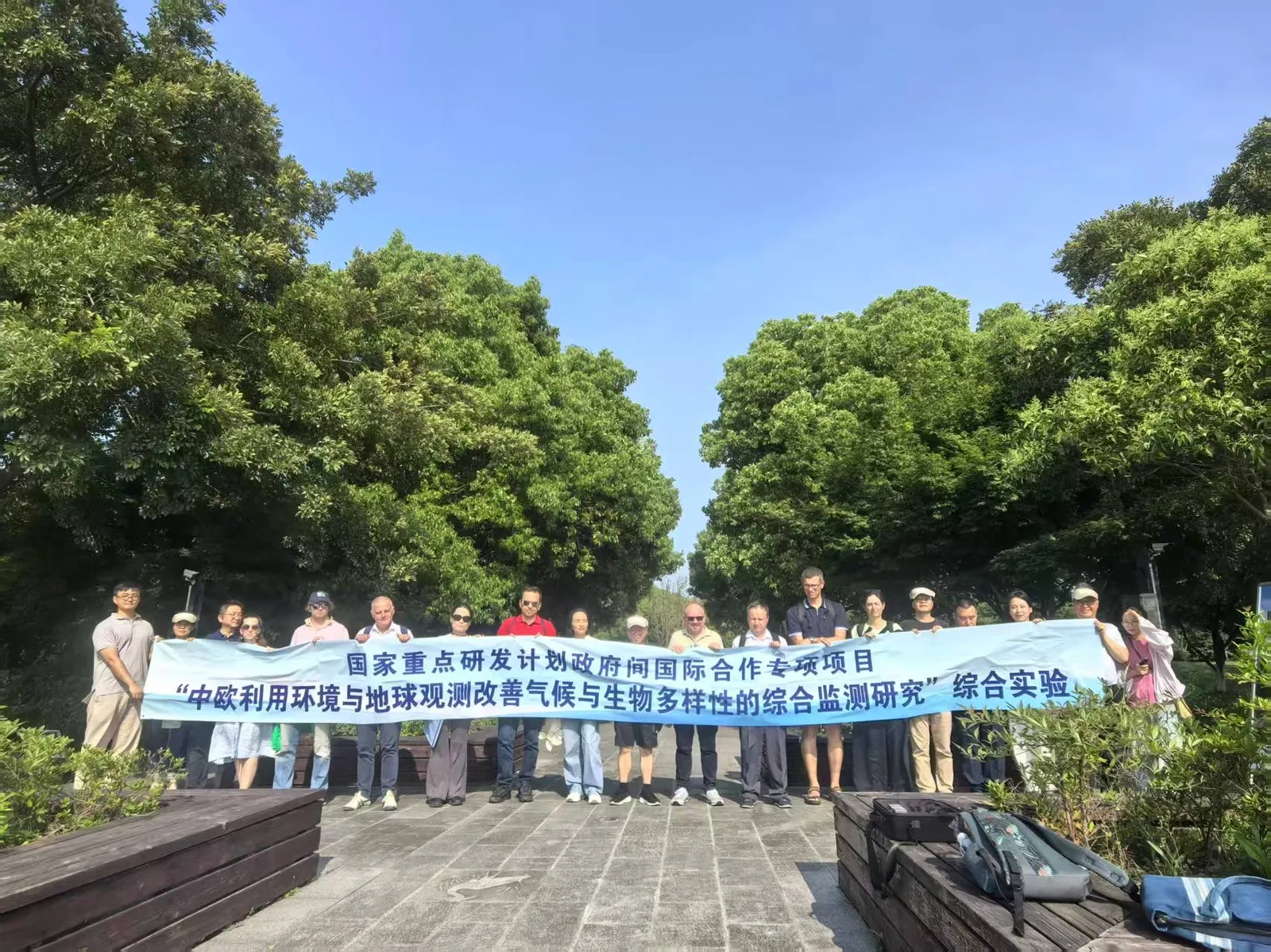
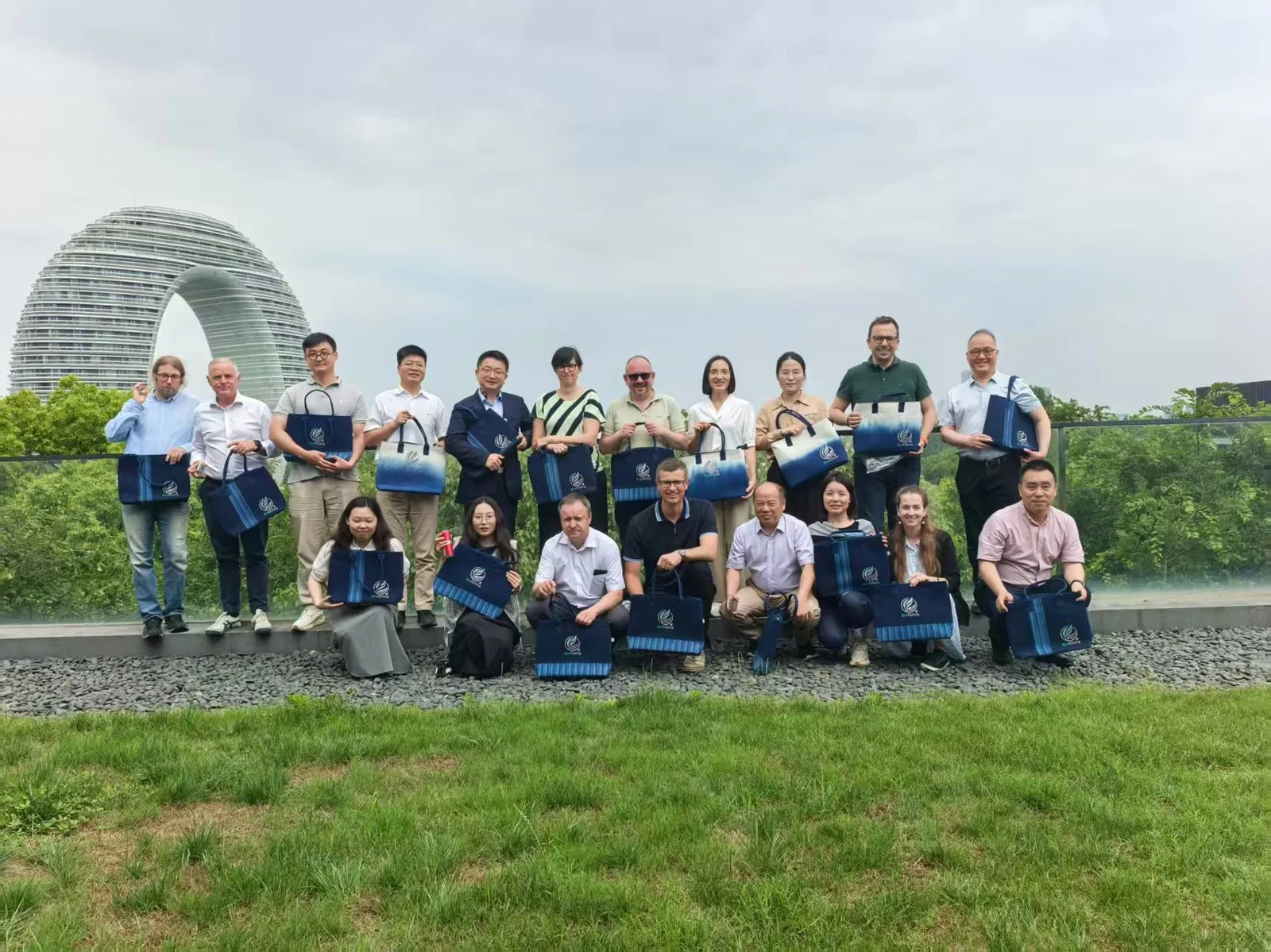
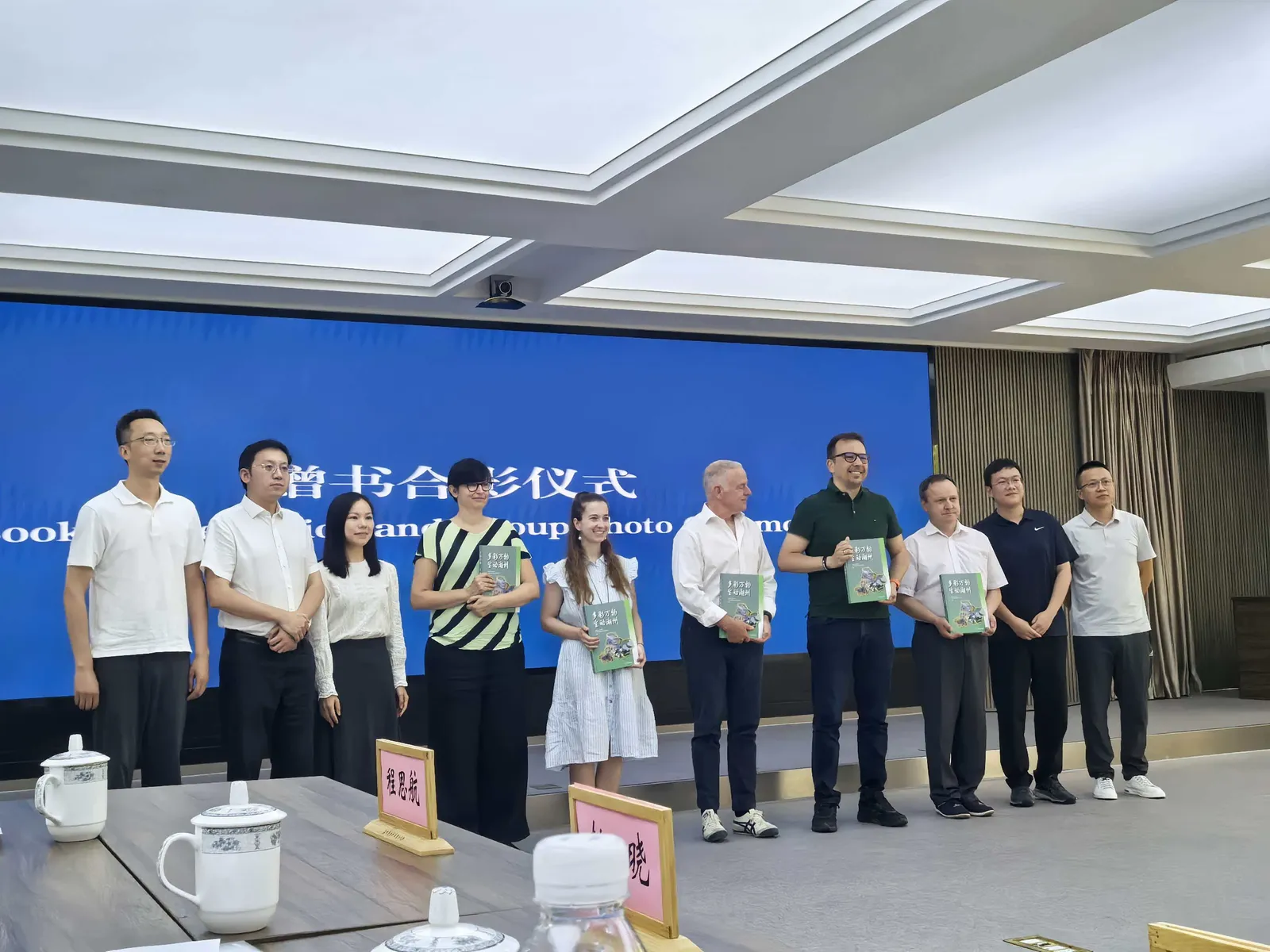
Researchers and project partners from Europe and China gathered for a week of workshops, discussions and field visits focused on AI-driven Earth observation, biodiversity monitoring and climate adaptation.
 Monika Mundilova (Faculty of Applied Sciences at the University of West Bohemia in Pilsen)
•
June 11, 2026
Monika Mundilova (Faculty of Applied Sciences at the University of West Bohemia in Pilsen)
•
June 11, 2026
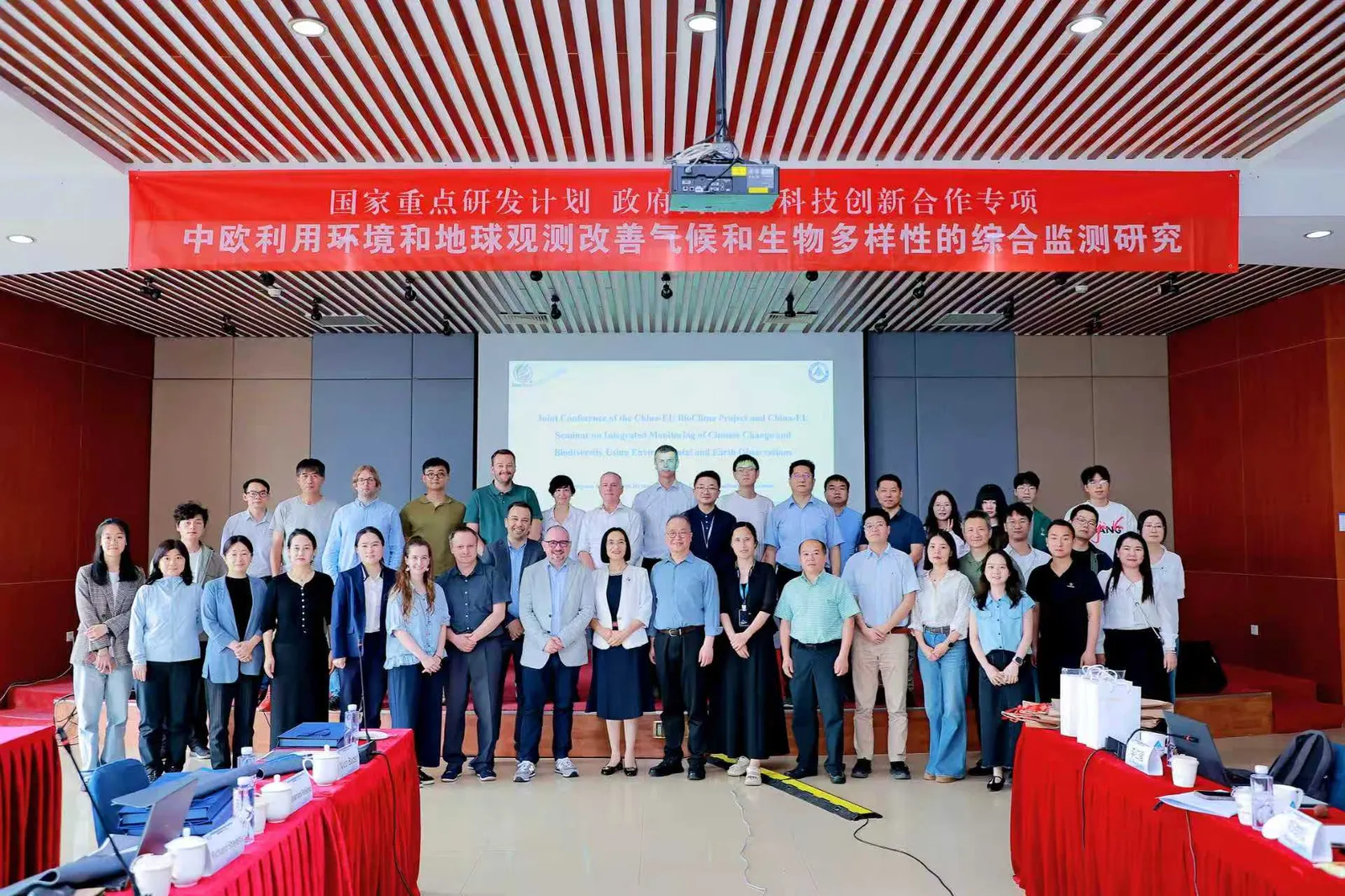
Hosted by the Aerospace Information Research Institute (AIRCAS) of the Chinese Academy of Sciences, the meeting brought together researchers, technical experts and project managers from partner institutions across Europe and China. Coordinated by the Faculty of Applied Sciences (FAS) at the University of West Bohemia in Pilsen (UWB), BioClima project develops innovative approaches linking Earth observation, biodiversity monitoring and climate resilience. During the week, participants reviewed progress made during the project's first year and discussed future activities. Particular attention was given to the development of AI-driven Earth observation tools that combine satellite imagery, field observations, drone monitoring and advanced data analytics to support environmental decision-making and strengthen ecosystem resilience in Europe and China.
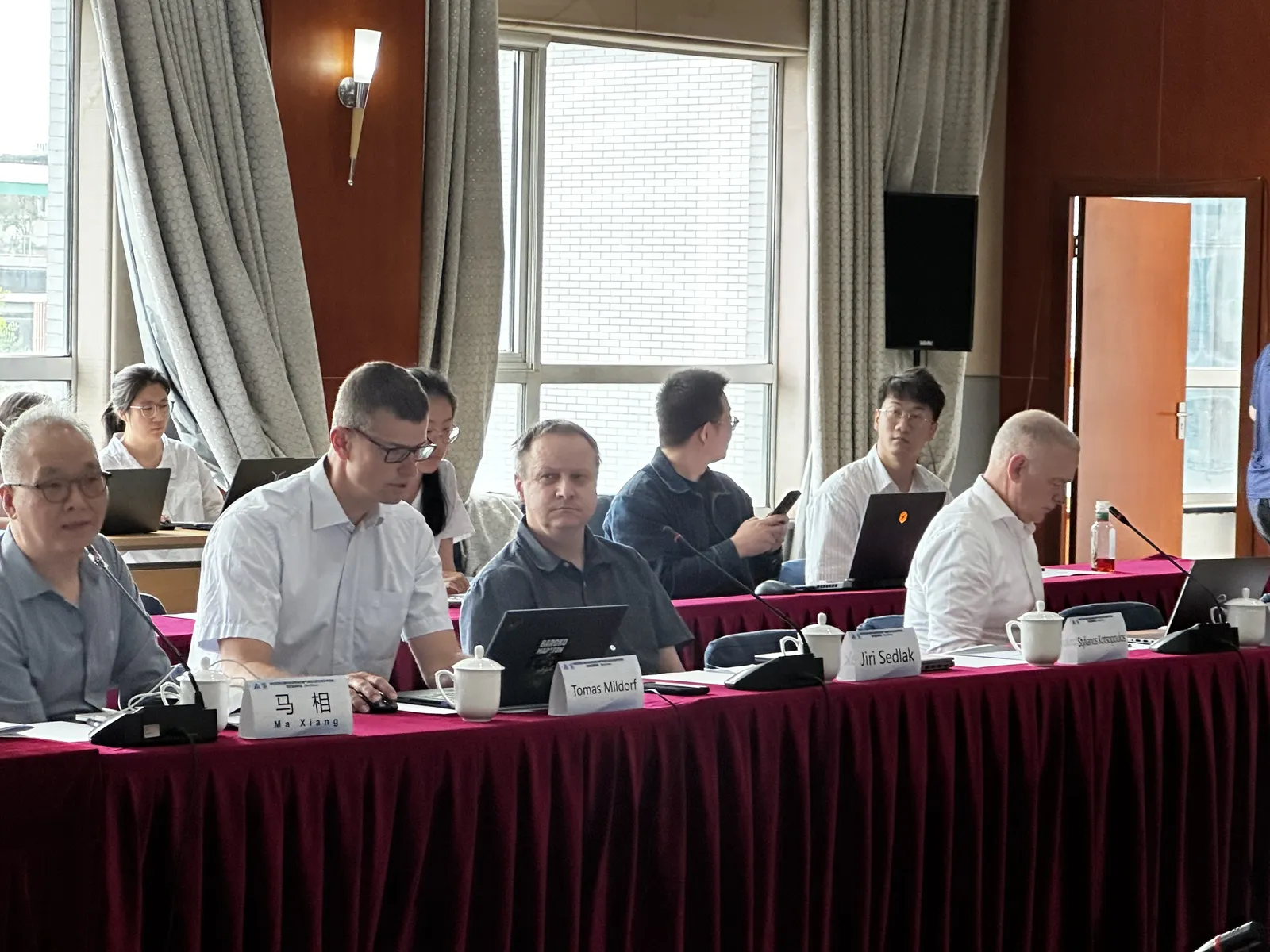
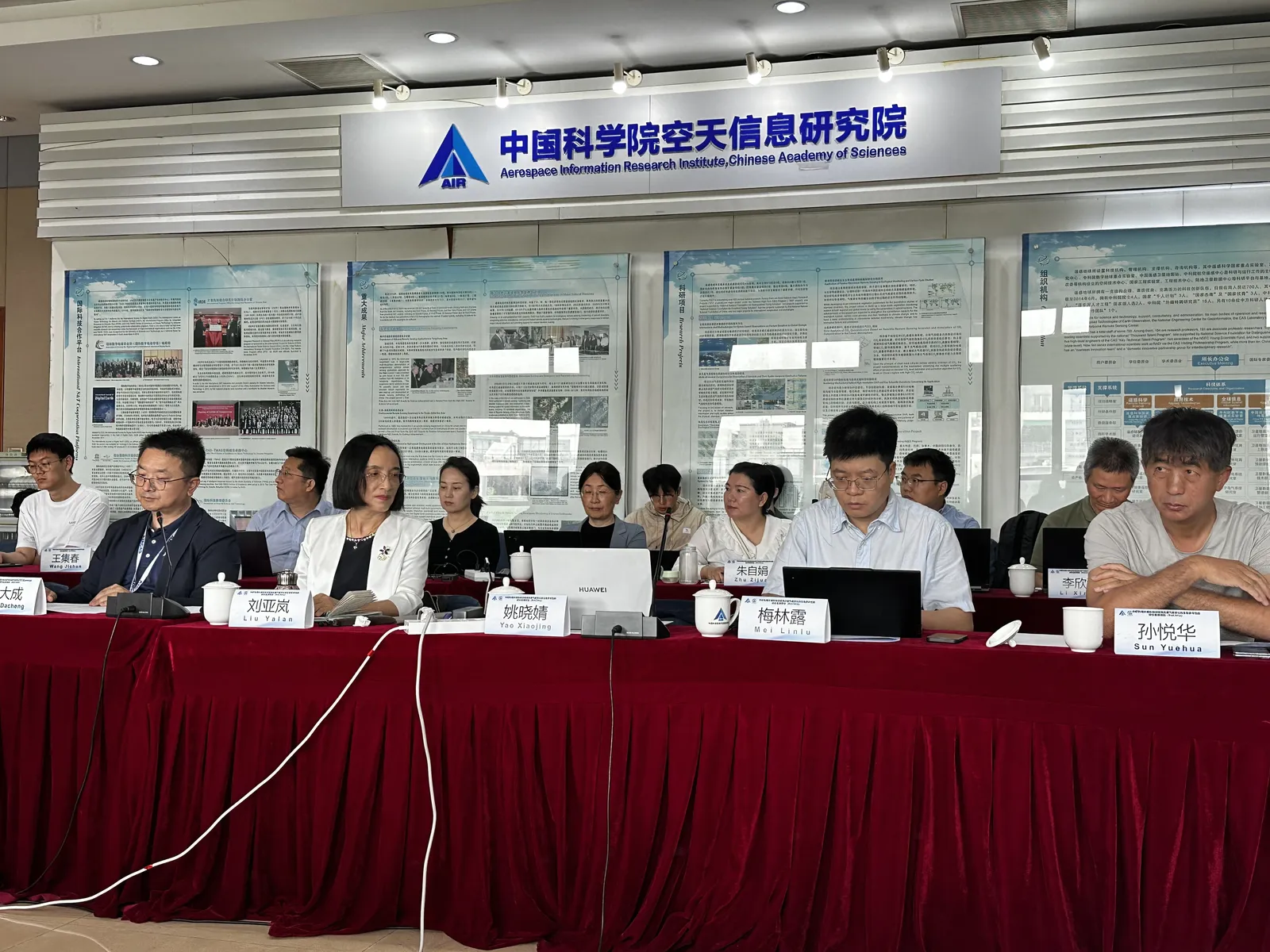
A key part of the meeting was the exchange of knowledge and experience in biodiversity monitoring, climate-risk assessment, data standards and ecosystem conservation. Partners discussed the development of common methodologies and interoperable data systems that will improve our understanding of how climate change affects biodiversity and ecosystem services. The consortium also reviewed several key achievements, including the development of integrated observation technologies, a joint China–Europe biodiversity observation framework and a prototype ecological risk assessment and early-warning system. Reflecting on the value of the collaboration, Liu Yalan from AIRCAS emphasized that “although our research activities are implemented through different approaches in Europe and China, we share a common goal: strengthening biodiversity conservation and improving our understanding of climate change impacts through joint observation, data sharing and scientific cooperation.”

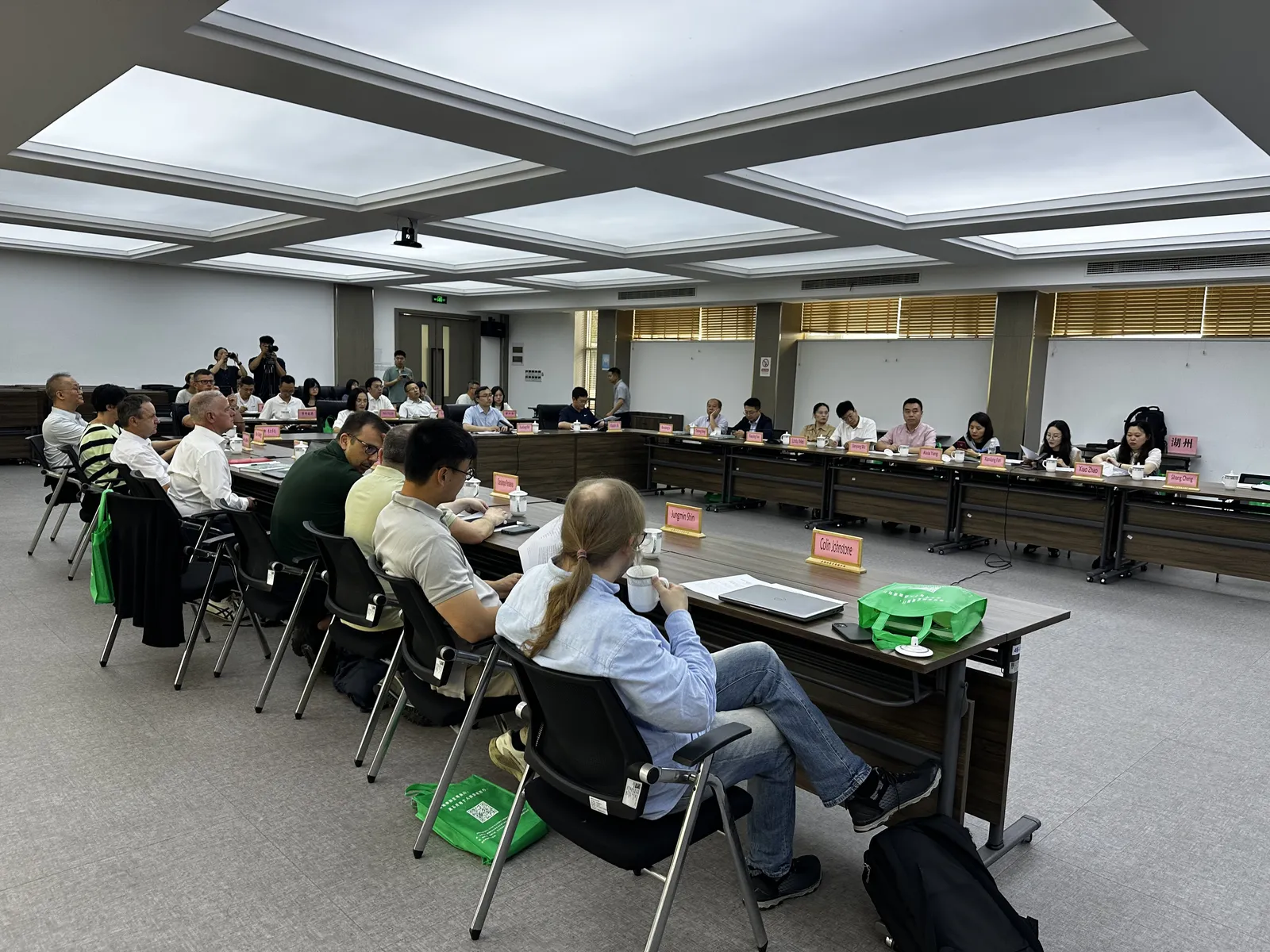
The second part of the programme took place in Huzhou, where participants met representatives of the Huzhou Municipal Ecology and Environment Bureau, the Huzhou Biodiversity Conservation Research Center and other local stakeholders. Through visits to the World Irrigation Project Heritage site, BioClima demonstration sites in Anji County and biodiversity monitoring locations across Zhejiang Province, partners had the opportunity to see practical conservation measures and monitoring activities first-hand. Reflecting on the week, Tomáš Mildorf, project coordinator from FAS UWB, emphasized the value of international collaboration “One of the greatest strengths of BioClima is the opportunity to connect European and Chinese expertise. The discussions in Beijing and Huzhou showed that we face many common challenges and can achieve more by addressing them together.”

The meeting highlighted the growing importance of EU–China scientific cooperation and reinforced BioClima’s ambition to develop practical tools that support biodiversity conservation and climate resilience in both regions.
🇨🇳 Read the Perspective from Our Chinese Partners
Our colleagues from the Aerospace Information Research Institute (AIRCAS), Chinese Academy of Sciences, have also shared their perspective on the BioClima project meeting held in Beijing and Huzhou. The article highlights key discussions, project achievements, and the importance of China–Europe cooperation in biodiversity conservation and climate resilience.
🔗 Read the full article:
AIRCAS: BioClima Partners Meet in China to Advance Biodiversity and Climate Cooperation