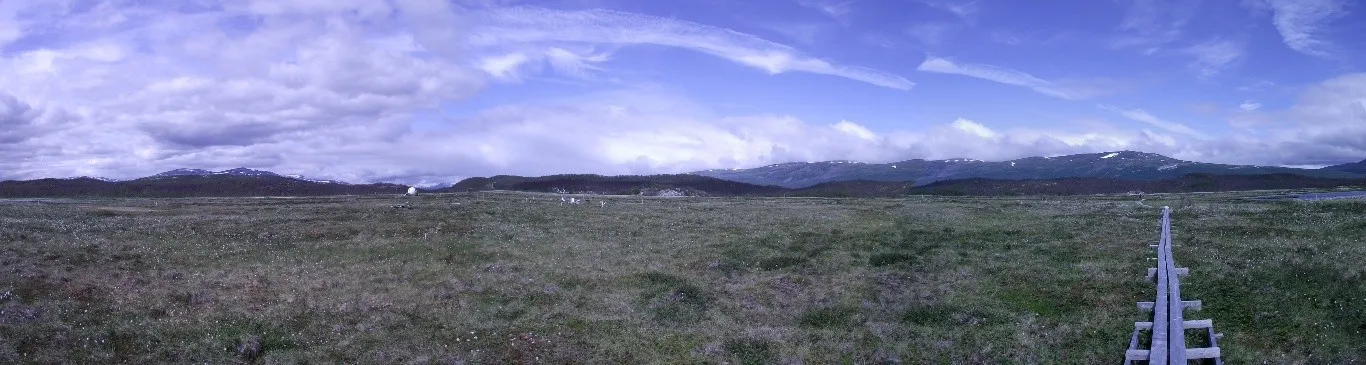
European Arctic Use Case: Monitoring Vegetation Dynamics in a Changing Climate
Using high-resolution satellite observations, the European Arctic BioClima use case monitors how climate change is affecting vegetation growth, productivity, and seasonal dynamics across northern ecosystems.
 Dr. Zhanzhang Cai (Lund University)
•
June 25, 2026
Dr. Zhanzhang Cai (Lund University)
•
June 25, 2026
Using satellite Earth observation and advanced vegetation indicators, the European Arctic BioClima use case tracks how climate change is affecting vegetation productivity and seasonal dynamics across northern ecosystems.
Climate change is transforming ecosystems across the Arctic and other high-latitude regions. Changes in temperature, precipitation patterns, and growing seasons are already influencing vegetation growth, productivity, and seasonal development, making long-term environmental monitoring more important than ever.
Within BioClima, researchers from Lund University are investigating vegetation dynamics across the European Arctic using the High-Resolution Vegetation Phenology and Productivity (HR-VPP) dataset, a Copernicus Land Monitoring Service product that provides consistent monitoring of vegetation across Europe at a spatial resolution of 10 metres and with time series available since 2017.
Understanding Seasonal Changes in Arctic Vegetation
Vegetation phenology describes the timing of seasonal events such as spring green-up, peak growth, and autumn senescence. These indicators provide valuable information about how ecosystems respond to climate variability and long-term environmental change.
Using satellite observations and advanced processing methods, researchers can transform large volumes of Earth Observation data into meaningful indicators, including the Start of Season (SOS), End of Season (EOS), and measures of vegetation productivity.
The HR-VPP dataset enables the creation of cloud-free vegetation time series and detailed phenological maps that reveal patterns across large geographic regions.
Insights from the European Arctic
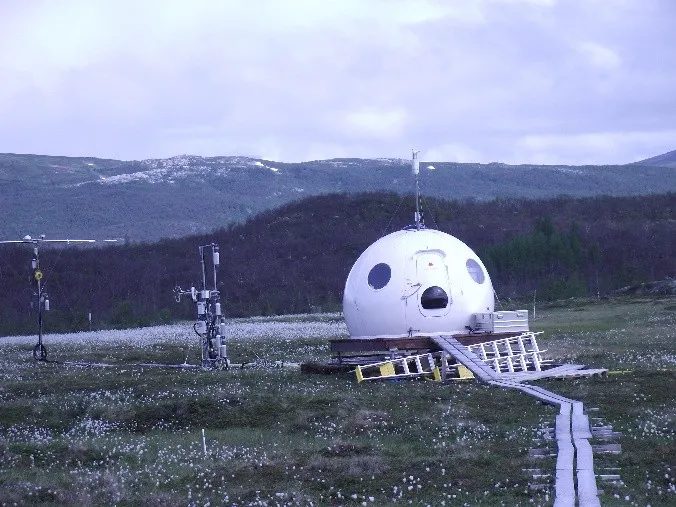
The BioClima Arctic use case focuses on monitoring vegetation dynamics across northern Europe, including Arctic and sub-Arctic environments.
Preliminary analyses show clear spatial patterns in the timing of vegetation growth. Spring green-up generally occurs later in colder northern and mountainous regions, while coastal and southern areas experience an earlier start of the growing season.
Researchers are also analysing vegetation productivity, which reflects the cumulative response of ecosystems to climate conditions. Productivity tends to be higher in southern and coastal regions and lower in northern and high-elevation areas. These patterns help improve our understanding of ecosystem functioning across Arctic landscapes.
A detailed example from the Abisko region in northern Sweden demonstrates how high-resolution satellite products can reveal local-scale variations in both the timing of vegetation growth and overall ecosystem productivity.
Looking Ahead
The next generation of HR-VPP products will introduce process-based variables such as Gross Primary Productivity (GPP), enabling monitoring in physically meaningful carbon-based units and providing a stronger link between vegetation phenology and ecosystem functioning.
By combining long-term satellite observations with advanced environmental analytics, the European Arctic BioClima use case contributes to a better understanding of how climate change is reshaping northern ecosystems and provides valuable information for biodiversity conservation and climate adaptation efforts across the Arctic region.