🌿 Meet Our Partners – BioClima Project 🇸🇪 Lund University (LU)
Advancing biodiversity and climate monitoring through Earth observation, ecosystem modelling and long-term environmental research.
 Dr. Zheng Duan (Lund University)
•
June 8, 2026
Dr. Zheng Duan (Lund University)
•
June 8, 2026
📍 Sweden | 🌐 https://www.lu.se
About Lund University
Lund University is one of Scandinavia’s leading research universities and an internationally recognized center for climate science, ecosystem research, biodiversity monitoring, and Earth observation. Within BioClima, researchers from the Department of Earth and Environmental Sciences (MGEO) and the Department of Biology contribute expertise spanning satellite remote sensing, ecosystem modeling, biodiversity assessment, and long-term environmental monitoring.
The Lund Earth Observation team at MGEO is internationally recognized for developing advanced methods and operational products for monitoring vegetation phenology, ecosystem productivity, land surface dynamics, hydrology and water quality, and climate impacts using satellite observations. The team has contributed extensively to the European Copernicus Land Monitoring Service, large-scale vegetation monitoring initiatives across Europe and the Arctic, and land degradation assessments in Africa.
The Biodiversity and Evolution Section within the Department of Biology contributes expertise in long-term biodiversity monitoring through systematic field observations and citizen-science-supported monitoring schemes, including butterfly monitoring and Arctic biodiversity observations.
Lund University is also home to the widely used TIMESAT software for satellite-based vegetation phenology analysis, recognized in UNCCD good practices for SDG indicator assessment, and the LPJ-GUESS dynamic ecosystem model. Together, these tools support global research on ecosystem functioning, terrestrial biosphere feedbacks, and climate–biodiversity interactions.
By integrating Earth observation, ecosystem modeling, and long-term biodiversity science, Lund University bridges ecological processes across scales ranging from local ecosystems to continental environmental assessments.
Cover photo: Department of Earth and Environmental Sciences, Lund University
Role in BioClima
Within BioClima, Lund University contributes to the monitoring and modeling of Essential Biodiversity Variables (EBVs) and Essential Climate Variables (ECVs) using satellite Earth observation, ecological monitoring, and process-based ecosystem modeling.
The team supports BioClima’s objectives by improving the capacity to detect and understand long-term changes in ECVs, vegetation dynamics, ecosystem functioning, biodiversity patterns, and climate-related environmental stressors, particularly in northern and Arctic ecosystems. Through the integration of systematic field observations, EO-derived indicators, and predictive modeling, LU contributes to scalable and policy-relevant biodiversity–climate assessments.
Key activities include:
✅ EO-based vegetation phenology and ecosystem productivity monitoring
✅ Development of EO-derived biodiversity and ecosystem indicators
✅ Integration of long-term biodiversity observations with satellite-based monitoring
✅ Climate–biodiversity interaction assessments across Arctic and boreal ecosystems
✅ Use of process-based ecosystem models such as LPJ-GUESS for scenario analysis
✅ Development of scalable, high-resolution biodiversity monitoring approaches
✅ Linking Copernicus services with climate adaptation and conservation policy
Building on experience from projects such as HR-VPP, CGLOPS1, GreenFeedback, SEN4LDN, Biodiversa+ BRET, OptimESM, CLIMB-FOREST, SPRING, and InsectAI, Lund University contributes advanced scientific expertise and operational Earth observation methodologies that help ensure BioClima delivers robust, policy-relevant, and future-oriented environmental intelligence.
🌍 Lund University transforms Earth observation data into ecological understanding — helping shape science-based pathways toward a climate-resilient and biodiverse future.
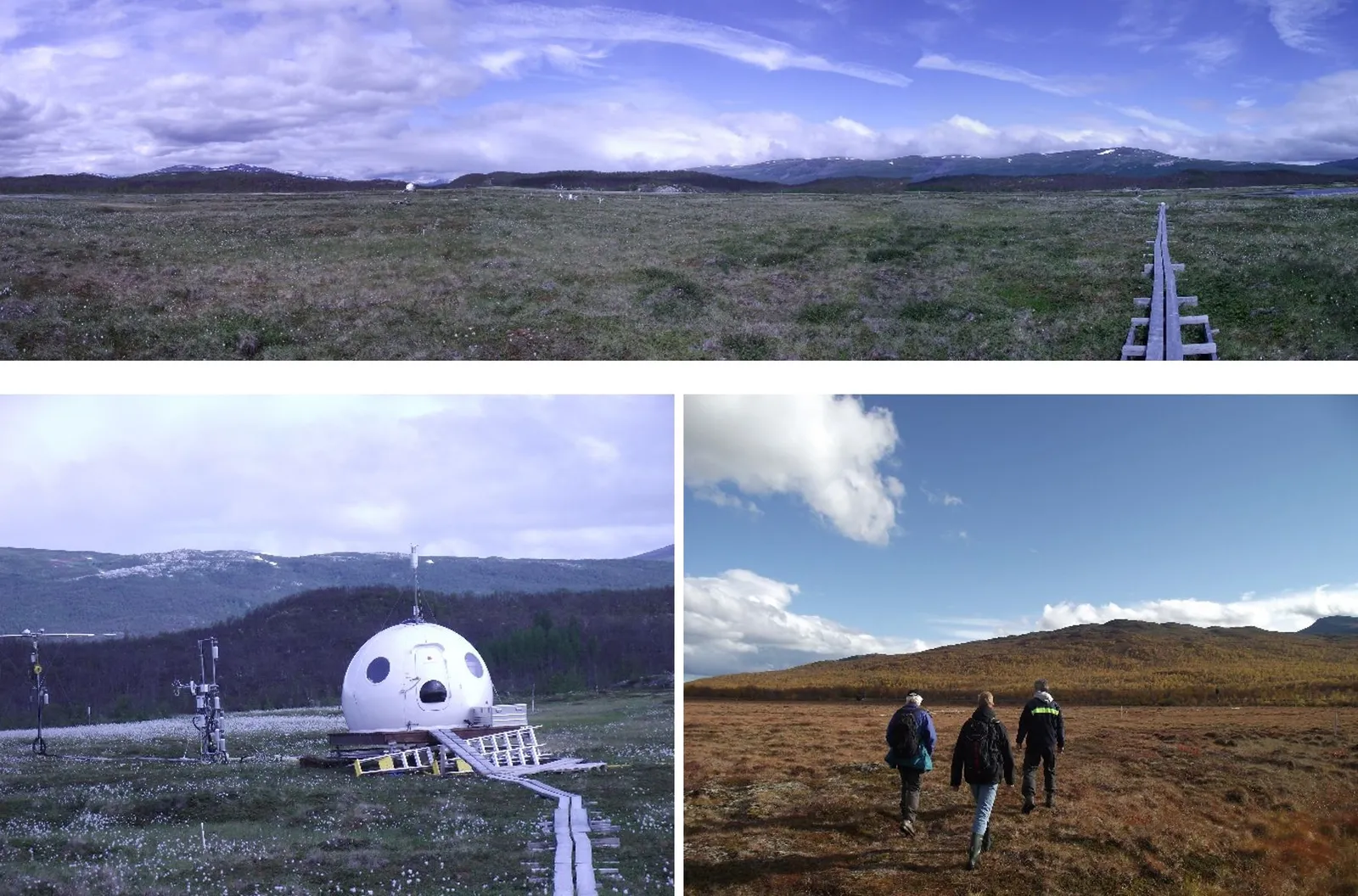
Swedish sub-Arctic landscape (ICOS tower, the white “Igloo” located in the Stordalen mire)
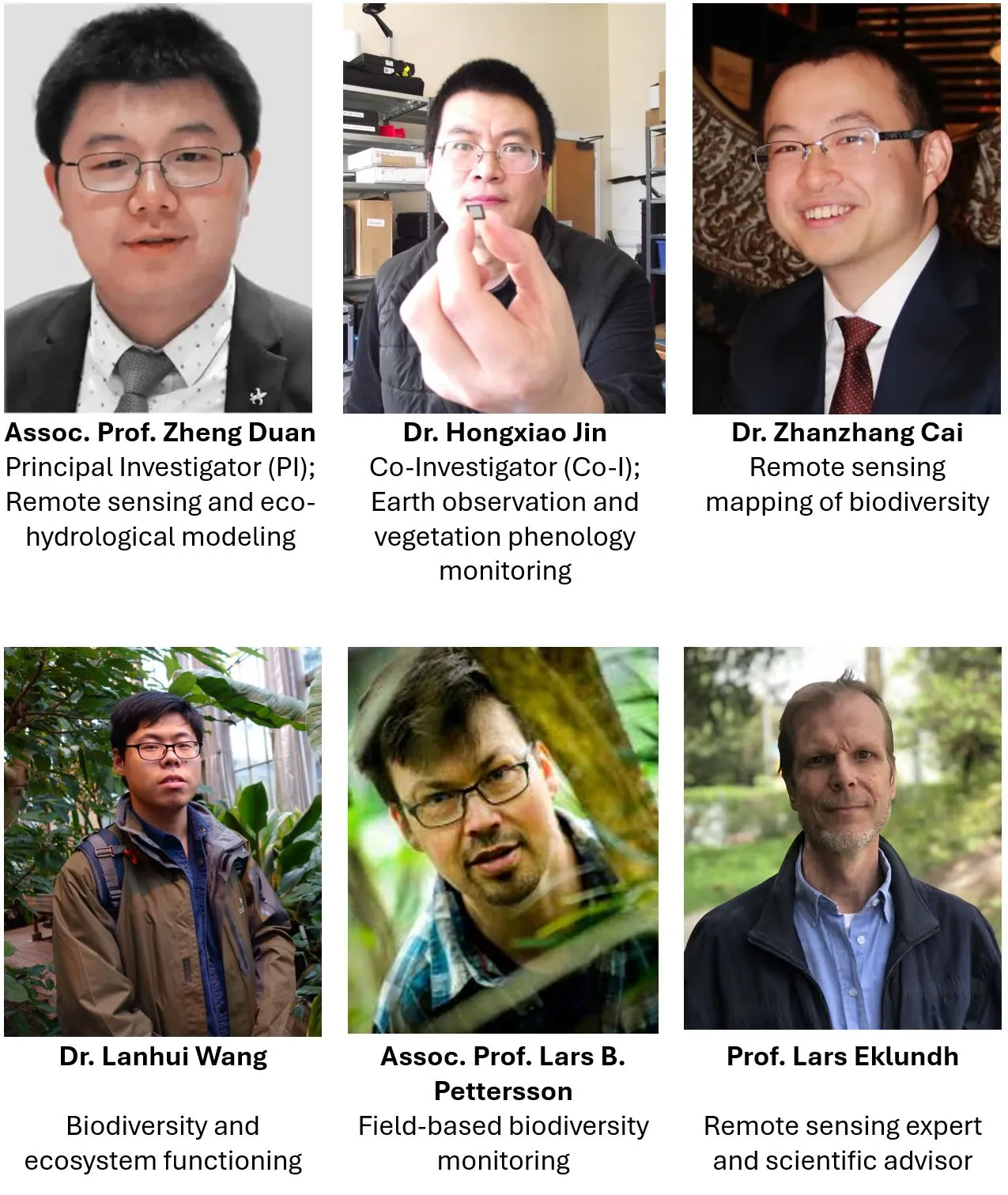
Team: who is working on BioClima
💬 Quote: “BioClima bridges Earth observation and biodiversity science to better understand ecosystem responses to climate change.”
🌐 Follow Lund University
🔗 LinkedIn https://www.linkedin.com/school/lunduniversity/
🔗 X https://x.com/lunduniversity
🔗 Instagram https://www.instagram.com/lundsuniversitet/
🔗 YouTube https://www.youtube.com/user/LundUniversity